
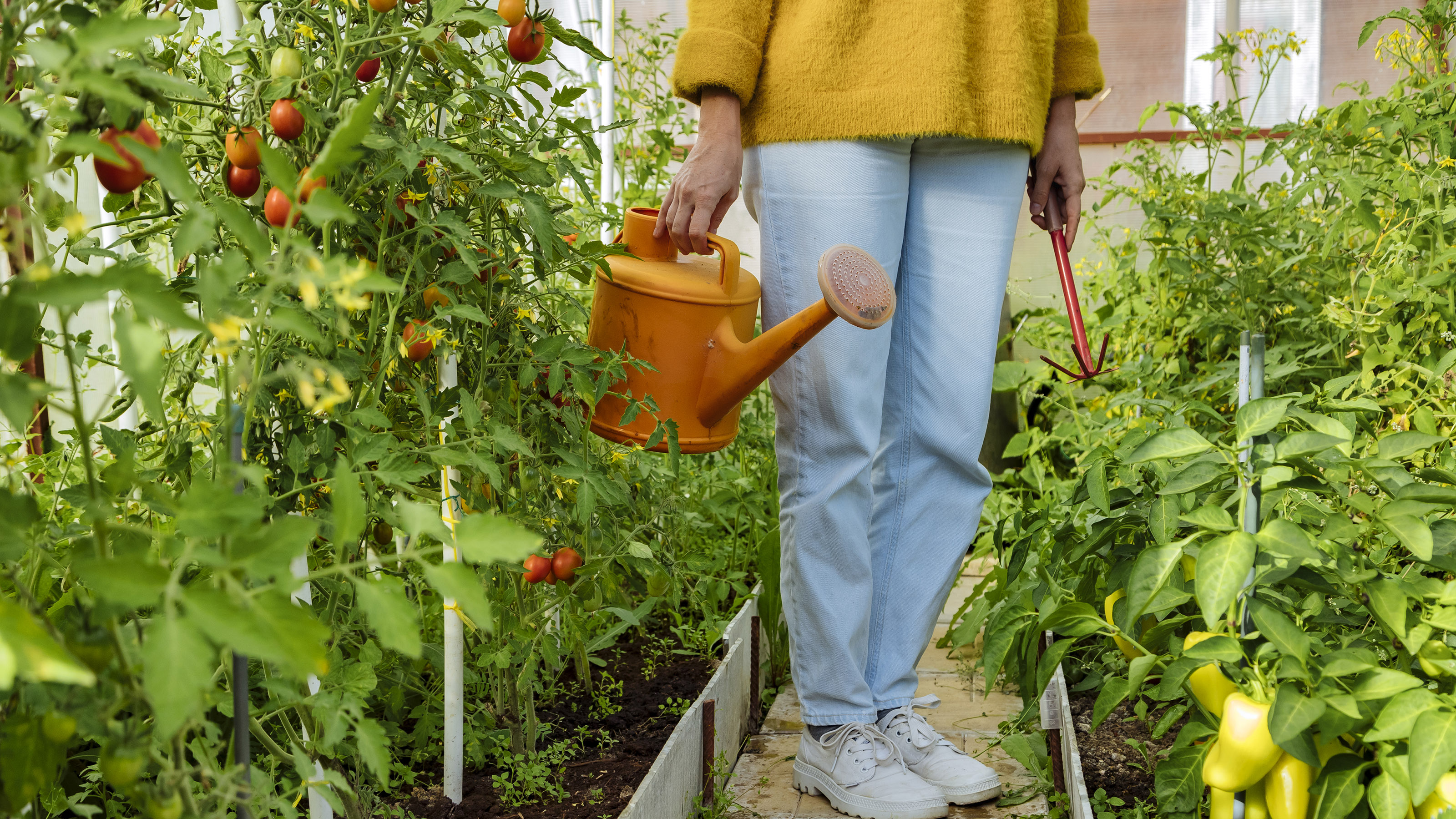
Watering Young Chili Seedlings for Healthy Growth
One of the trickiest aspects of growing chili peppers, especially when starting from seed, is getting the watering just right. Too little, and your delicate seedlings will wither; too much, and they’ll succumb to damping-off disease. Finding that sweet spot is key to a bountiful harvest.
Proper watering schedules are crucial for the healthy development of your chili plants. From the moment those tiny sprouts emerge, consistent moisture encourages strong root growth, which will support vigorous top growth and, eventually, abundant fruit production. Inconsistent watering, on the other hand, can lead to stunted growth, blossom end rot, and a whole host of other problems. A little bit of attention to detail in the early stages goes a long way!
Creating the Ideal Watering Schedule for Your Chili Seedlings
The frequency and amount of water your chili seedlings need will depend on several factors, including the climate, the type of soil you’re using, and the size of your containers. Here's how to dial in the perfect chili irrigation schedule.
Understanding Your Seedling's Needs
Before diving into a specific schedule, it's important to understand what your seedlings are telling you. Learn to "read" your plants. Are the leaves drooping? Is the soil dry to the touch? These are vital clues!
Observe daily: Check your seedlings at least once a day, preferably in the morning. Feel the soil: Stick your finger about an inch into the soil. If it feels dry, it's time to water. Look for signs of stress:Drooping leaves can indicate both overwatering and underwatering. The key is to check the soil moisture. Yellowing leaves can also signal watering issues, as well as nutrient deficiencies.
Watering Frequency: Daily vs. Weekly
There's no one-size-fits-all answer to how often you should water your chili seedlings. A good starting point is to water every 2-3 days, but adjust as needed based on your observations.
Daily watering: May be necessary in hot, dry climates or when using fast-draining soil. However, be very careful not to overwater. Watering every 2-3 days: A good general guideline for most climates and soil types. Weekly watering:Usually only appropriate for mature plants in the ground, not young seedlings.
Remember to always water deeply, allowing the water to reach the roots. Avoid frequent, shallow watering, which encourages shallow root growth.
Seasonal Watering Adjustments
As the seasons change, so too will your chili plants' water requirements. Here's a breakdown of how to adjust your watering schedule throughout the year: Spring: As the weather warms up, gradually increase watering frequency. Monitor the soil moisture closely, as seedlings will be actively growing. Summer: Hot, dry weather can quickly dry out the soil. Water more frequently, possibly even daily, especially if your seedlings are in containers. Water early in the morning to minimize evaporation. Rainy Season: Reduce watering frequency during periods of heavy rain. Ensure your containers have adequate drainage to prevent waterlogging. Fall: As the weather cools down, gradually decrease watering frequency. Allow the soil to dry out slightly between waterings to prepare the plants for dormancy.
Best Time to Water Chili
The best time to water chili plants, including your delicate seedlings, is early in the morning. This gives the plants ample time to absorb the moisture before the heat of the day causes excessive evaporation. Morning watering also helps to prevent fungal diseases by allowing the foliage to dry out during the day.
Avoiding Common Watering Mistakes
Overwatering and underwatering are the two most common mistakes gardeners make when growing chili peppers. Learning to recognize the signs of each can save your seedlings from an early demise.
Signs of Overwatering
Yellowing leaves: Especially lower leaves. Wilting leaves: Even when the soil is wet. Stunted growth: Despite adequate sunlight and nutrients. Root rot: Roots appear brown and mushy. Damping off:Seedlings collapse and die, often due to fungal diseases that thrive in overly moist conditions.
What to do: If you suspect overwatering, stop watering immediately and allow the soil to dry out completely. Improve drainage by adding perlite or sand to the soil. Consider transplanting seedlings into fresh, well-draining soil.
Signs of Underwatering
Drooping leaves: Especially during the hottest part of the day. Dry, cracked soil: Pulling away from the edges of the container. Stunted growth: Plants appear smaller than they should be. Leaf tips turning brown and crispy: Starting from the edges.
What to do: Water deeply and thoroughly, allowing the water to drain out of the bottom of the container. If the soil is severely dry, it may be necessary to soak the container in a basin of water for a few minutes to rehydrate the soil.
Choosing the Right Irrigation Method
The method you use to water your chili seedlings can also impact their health and growth. Here are a few options to consider:
1.Watering Can: A classic choice that allows for precise control over the amount of water you're applying. Use a watering can with a gentle rose head to avoid disturbing the delicate seedlings.
2.Spray Bottle: Ideal for misting seedlings and increasing humidity, but not sufficient for deep watering.
3.Bottom Watering: Place the seedling container in a tray of water and allow the soil to absorb the water from the bottom. This encourages strong root growth and reduces the risk of fungal diseases.
4.Drip Irrigation: A more advanced option that delivers water directly to the roots, minimizing water waste and reducing the risk of overwatering. This is more commonly used for mature plants in the ground, but can be adapted for container gardening.
DIY Irrigation Tips
Recycle plastic bottles: Create a simple drip irrigation system by poking small holes in a plastic bottle and burying it next to your seedlings. Use saucers: Place saucers under your containers to catch excess water and prevent it from damaging surfaces. However, be sure to empty the saucers regularly to prevent waterlogging.
Soil Care and Its Impact on Watering
The type of soil you use plays a significant role in how well your chili seedlings retain moisture and how often you need to water them.
Choosing the Right Soil Mix
A well-draining soil mix is essential for healthy chili seedlings. Avoid heavy clay soils, which retain too much water and can lead to root rot. A good mix might include: Potting soil: Provides essential nutrients and organic matter. Perlite: Improves drainage and aeration. Vermiculite: Helps retain moisture. Coco coir: A sustainable alternative to peat moss that provides excellent drainage and water retention.
Improving Soil Drainage
If you're using a soil mix that doesn't drain well enough, you can improve it by adding: Perlite: A lightweight volcanic glass that increases drainage and aeration. Sand: Coarse sand can help to break up compacted soil and improve drainage.
Mulching for Moisture Retention
Applying a layer of mulch around your chili seedlings can help to retain moisture in the soil, reduce evaporation, and suppress weeds. Good mulch options include: Straw: A readily available and inexpensive option. Wood chips: A longer-lasting option that can also help to improve soil structure. Compost:Provides nutrients to the soil as it breaks down.
Troubleshooting Common Problems
Even with the best watering practices, you may still encounter some challenges when growing chili seedlings. Here are a few common problems and how to address them: Damping Off: A fungal disease that causes seedlings to collapse and die. Prevent damping off by using sterile soil, providing good ventilation, and avoiding overwatering. If damping off occurs, remove affected seedlings immediately and treat the remaining seedlings with a fungicide. Blossom End Rot: A calcium deficiency that causes the blossom end of the fruit to rot. Inconsistent watering can contribute to blossom end rot. Ensure consistent soil moisture and consider adding calcium to the soil. Leaf Curl:Can be caused by a variety of factors, including overwatering, underwatering, pests, and diseases. Identify the underlying cause and address it accordingly.
People Also Ask (FAQs)
How do I know if I'm overwatering my chili seedlings?
Look for yellowing leaves, wilting leaves even when the soil is wet, and stunted growth. The soil will also feel consistently soggy. Root rot can also be a sign, but it's harder to diagnose without disturbing the plant.
Can I use tap water to water my chili seedlings?
Tap water is generally fine, but it's best to let it sit out for 24 hours to allow chlorine to evaporate. If your tap water is very hard or alkaline, consider using rainwater or distilled water instead.
How often should I fertilize my chili seedlings?
Start fertilizing your seedlings about 2-3 weeks after they emerge, using a balanced liquid fertilizer diluted to half strength. Fertilize every 2-3 weeks, or as needed based on the plant's growth.
With a little bit of attention and care, you can master the art of watering chili plants and enjoy a bountiful harvest of delicious peppers. Don't be afraid to experiment and adjust your watering schedule based on your specific climate and growing conditions. Happy gardening!