
Watering Chili Plants in Summer vs. Winter: Key Differences
One of the quickest ways to send your chili pepper dreams up in smoke is inconsistent watering. It’s a common mistake – underwatering during scorching summers or overwatering during the dormant winter months. But fear not! Mastering your chili irrigation schedule is easier than you think.
Proper watering isn’t just about keeping your chili plants alive; it's about optimizing their growth, fruit production, and overall health. Consistent soil moisture, tailored to the season, ensures that your plants can efficiently absorb nutrients, develop strong root systems, and produce those fiery peppers you crave. Get it wrong, and you risk stunted growth, blossom end rot, or even root rot.
Seasonal Watering Strategies for Thriving Chili Plants
The key to a successful chili harvest lies in adapting your watering techniques to the changing seasons. Here's a breakdown of what your pepper plants need throughout the year:
Summer: The Heat is On!
Summer is peak growing season for chili plants, demanding a vigilant approach to watering. The hot sun and increased evaporation rates can quickly dry out the soil.
Watering Frequency: Aim for deep watering 2-3 times per week, depending on your climate and soil type. Check the soil moisture regularly – the top inch should feel slightly dry before you water again. Best Time to Water: Early morning is ideal, allowing the leaves to dry before the sun gets too intense, reducing the risk of fungal diseases. Watering Technique: Water at the base of the plant, avoiding wetting the foliage. This helps prevent fungal diseases. Consider using a soaker hose or drip irrigation system for efficient and consistent watering. Mulching: Apply a layer of organic mulch around your chili plants to help retain soil moisture and regulate soil temperature. Straw, wood chips, or compost work well.
Fall: Transition Time
As temperatures begin to cool down in the fall, your chili plants will require less frequent watering.
Watering Frequency: Reduce watering to once or twice a week, depending on rainfall and soil moisture. Monitor Soil: Continue to check the soil moisture regularly and adjust your watering schedule accordingly. Prepare for Dormancy:As the plant prepares for dormancy, gradually decrease the amount of water you provide.
Winter: A Time for Rest
During the winter months, chili plants enter a period of dormancy and require minimal watering.
Watering Frequency: Water sparingly, only when the soil is completely dry. Overwatering during this period can lead to root rot. Protect from Frost: If you live in an area with frost, protect your plants by covering them or moving them indoors. Indoor Watering:If you bring your chili plants indoors, water them even less frequently, as the indoor environment is typically more humid.
Spring: Awakening and Growth
As the weather warms up in the spring, gradually increase your watering frequency to encourage new growth.
Watering Frequency: Start by watering once a week and gradually increase to 2-3 times per week as the plant grows. Fertilizing: Spring is also a good time to fertilize your chili plants to provide them with the nutrients they need for healthy growth. Monitor New Growth:Keep a close eye on new growth and adjust your watering schedule as needed.
Recognizing the Signs: Are You Over or Under Watering?
Knowing how much and how often to water is vital, but equally important is recognizing when you are getting it wrong. Plants "talk" through their leaves and overall appearance. Here’s how to interpret those signals:Signs of Underwatering:
Wilting Leaves: This is the most obvious sign. Leaves will droop and appear limp. Dry Soil: The soil will be dry to the touch, even several inches below the surface. Stunted Growth: The plant's growth may be slow or nonexistent. Blossom Drop: Flowers may fall off before producing fruit. Crispy Leaf Edges:The edges of the leaves may turn brown and crispy.
Signs of Overwatering
Yellowing Leaves: Leaves may turn yellow, especially older leaves at the bottom of the plant. Soft, Mushy Stems: The stems may feel soft and mushy to the touch. Root Rot: The roots may turn brown and mushy, and may have a foul odor. Mold or Mildew: Mold or mildew may grow on the soil surface. Blistered Leaves:You may notice blisters and bumps on the chili plant leaves.
Best Irrigation Methods for Chili Plants
Choosing the right irrigation method can make a big difference in the health and productivity of your chili plants. Here are a few popular options:
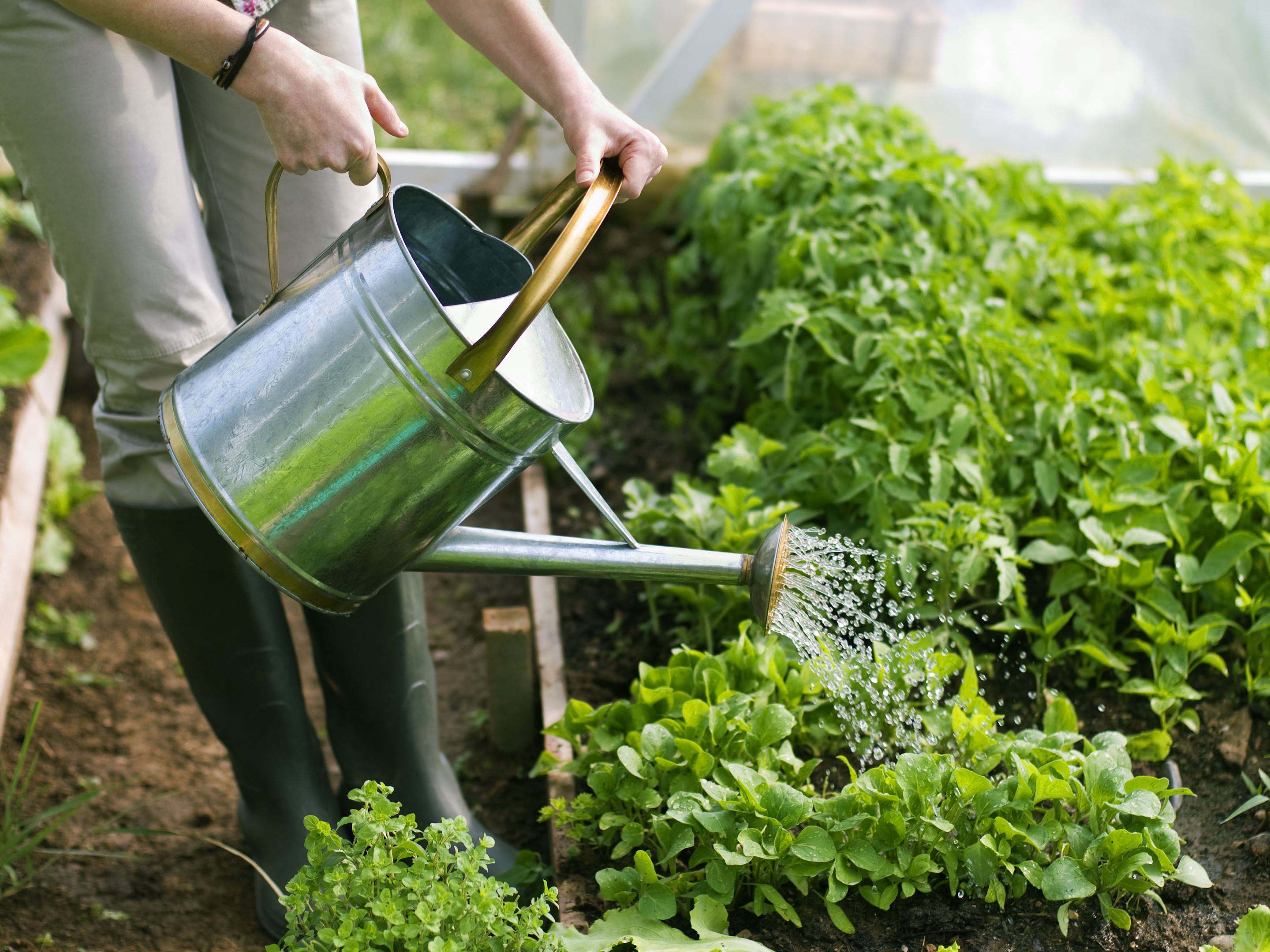
1.Hand Watering: This is the most basic method, using a watering can or hose to water the plants. It allows you to target specific plants and control the amount of water each one receives. However, it can be time-consuming and may not be the most efficient method for larger gardens.
2.Soaker Hoses: Soaker hoses are porous hoses that slowly release water into the soil. They are a great option for providing consistent moisture to chili plants and can help prevent fungal diseases by keeping the foliage dry.
3.Drip Irrigation: Drip irrigation systems deliver water directly to the roots of the plants through a network of tubes and emitters. This is a very efficient method that minimizes water waste and helps prevent fungal diseases.
4.Self-Watering Containers: Self-watering containers have a reservoir of water at the bottom that the plant can draw upon as needed. This is a convenient option for container gardening and can help prevent over or underwatering.
The Importance of Soil Health and Drainage
Proper watering is only one piece of the puzzle. The health and composition of your soil play a critical role in how well your chili plants can absorb and utilize water.
Well-Draining Soil: Chili plants need well-draining soil to prevent root rot. If your soil is heavy clay, amend it with compost, perlite, or other organic matter to improve drainage. Soil p H: Chili plants prefer a slightly acidic soil p H of around 6.0 to
6.8. Test your soil p H and adjust it as needed. Nutrient-Rich Soil: Healthy soil is rich in nutrients, which are essential for plant growth. Amend your soil with compost or other organic matter to provide your chili plants with the nutrients they need. Mulching: As mentioned earlier, mulching helps retain soil moisture, regulate soil temperature, and suppress weeds.
DIY Irrigation System for Chili Plants
Creating your own DIY irrigation system is easier than you might think, and it can save you water and time in the long run. Here’s a simple approach using readily available materials:
1.Gather Your Supplies: You'll need a large bucket or container, drip tubing, emitters, a drill, and connectors.
2.Drill Holes: Drill small holes into the drip tubing at regular intervals, where you want the emitters to be located.
3.Insert Emitters: Insert the emitters into the holes you drilled.
4.Connect to Water Source: Connect the drip tubing to your water source (e.g., a garden hose).
5.Place Tubing: Position the drip tubing around your chili plants, ensuring that the emitters are near the base of each plant.
6.Test and Adjust: Turn on the water and test the system. Adjust the emitters as needed to ensure that each plant is receiving the appropriate amount of water.
7.Consider a Timer: To automate the system, consider adding a timer that will turn the water on and off at specific intervals.
Troubleshooting Common Watering Problems
Even with the best planning, problems can arise. Here are some solutions to common chili pepper irrigation issues: Blossom End Rot: This is often caused by inconsistent watering and calcium deficiency. Ensure consistent soil moisture and consider adding calcium to the soil. Leaf Curl: Leaf curl can be caused by both underwatering and overwatering. Check the soil moisture and adjust your watering schedule accordingly. Fungal Diseases: Fungal diseases can be caused by excessive moisture on the leaves. Water at the base of the plant and avoid overhead watering. Stunted Growth: Stunted growth can be caused by a variety of factors, including underwatering, overwatering, and nutrient deficiencies. Check the soil moisture, p H, and nutrient levels and adjust accordingly.
People Also Ask (FAQs)
How often should I water chili plants in pots?
The frequency of watering chili plants in pots depends on the size of the pot, the type of potting mix, and the weather conditions. As a general rule, water when the top inch of soil feels dry to the touch. During hot, dry weather, you may need to water daily. In cooler weather, you may only need to water every few days.
What is the best time to water chili pepper plants?
The best time to water chili plants is early in the morning. This allows the leaves to dry before the sun gets too intense, reducing the risk of fungal diseases. It also gives the plants plenty of time to absorb the water before the heat of the day.
Can I use tap water to water my chili plants?
Tap water is generally safe to use for watering chili plants, but it's a good idea to let it sit out for 24 hours before using it to allow chlorine to evaporate. If your tap water is very hard (high in mineral content), it may be better to use rainwater or distilled water.
How do I know if I'm overwatering my chili plants?
Signs of overwatering include yellowing leaves, soft, mushy stems, root rot, and mold or mildew on the soil surface. If you suspect that you are overwatering your chili plants, reduce your watering frequency and ensure that the soil is well-draining.
Wrapping Up: Confidently Watering Your Chili Plants
Mastering the art of watering chili plants takes a little practice and observation, but it’s well within your reach. By understanding the seasonal needs of your plants, recognizing the signs of over and underwatering, and choosing the right irrigation methods, you can create the perfect watering schedule for your garden. Don't be afraid to experiment and adjust your approach as needed. With a little attention and care, you'll be rewarded with a bountiful harvest of delicious, fiery chili peppers. Happy gardening!