
How Much Water Do Chili Plants Really Need Daily?
One of the most common mistakes new chili pepper gardeners make is either drowning their plants or letting them completely dry out. Getting the watering balance just right can feel like a high-wire act, but with a little knowledge and observation, you can master the art of keeping your chili plants happy and productive.
Proper watering is absolutely crucial for healthy chili pepper growth. It affects everything from germination and root development to flowering, fruit set, and ultimately, the size and spiciness of your peppers. Insufficient water leads to stunted growth, blossom drop, and small, weak fruits. Overwatering, on the other hand, can cause root rot, fungal diseases, and equally disappointing yields. Let's dive into the best ways to manage soil moisture and keep those chili plants thriving.
Understanding Chili Plant Watering Needs
Chili plants, like most vegetables, have specific water requirements that vary depending on their stage of growth, the climate, and the type of soil they're planted in. A young seedling in a small pot will need far less water than a mature plant bursting with peppers in the height of summer. Similarly, sandy soil will dry out much faster than clay soil, requiring more frequent watering.
Here's a breakdown of the key factors influencing how often you should be reaching for your watering can: Stage of Growth: Seedlings need consistently moist soil, but not waterlogged. Mature plants require more water, especially during flowering and fruiting. Climate: Hot, dry climates will obviously necessitate more frequent watering than cooler, more humid regions. Soil Type: Sandy soils drain quickly and need more frequent watering. Clay soils retain water for longer and require less frequent irrigation. Container Size: Plants in smaller pots will dry out faster than those in larger containers or in the ground. Weather Conditions:Pay close attention to the weather forecast. Prolonged periods of rain will reduce the need for watering, while heatwaves will increase it.
Establishing a Watering Schedule
While there's no one-size-fits-all answer to the question of how much to water your chili plants daily, understanding these influencing factors helps you create a flexible schedule. A general guideline is to aim for deep watering a few times per week, rather than shallow watering every day.
Deep Watering: This encourages roots to grow deeper into the soil, making the plant more resilient to drought and nutrient deficiencies. Water until you see water draining from the bottom of the pot (for container plants) or until the soil is thoroughly moistened to a depth of at least 6 inches (for plants in the ground). Frequency: In most climates, watering 2-3 times per week is sufficient during the growing season. However, during periods of intense heat or drought, you may need to water daily. The Finger Test:This is your best friend! Stick your finger about an inch into the soil. If it feels dry, it's time to water. If it feels moist, hold off.
Seasonal Watering Adjustments
Your watering schedule should change with the seasons. Here's a general guide: Spring: As the weather warms up, gradually increase the frequency and amount of watering. Summer: This is the peak growing season, so your plants will need the most water. Monitor soil moisture carefully and water deeply whenever the top inch of soil feels dry. Autumn: As the weather cools down and the plants begin to slow their growth, gradually reduce the frequency of watering. Winter: If you live in a mild climate and your chili plants are still producing, water only when the soil is dry to the touch. If the plants are dormant, watering should be minimal.
Best Time to Water Chili Plants
The best time to water is early in the morning. This gives the foliage time to dry before nightfall, reducing the risk of fungal diseases. Watering in the evening can leave the leaves wet overnight, creating a perfect environment for fungal spores to germinate. Also, watering in the heat of the day can lead to excessive evaporation, wasting water and potentially scalding the leaves.
Recognizing the Signs of Overwatering and Underwatering
Learning to "read" your plants is an essential skill for any gardener. Here are some telltale signs of both overwatering and underwatering:Signs of Overwatering:
Yellowing Leaves: Especially on the lower parts of the plant. Wilting Leaves: Even when the soil is moist. Soft, Mushy Stems: This is a sign of root rot. Stunted Growth: The plant may appear pale and weak. Blistered or Swollen Leaves: Indicates the plant is struggling to transpire excess water. Algae or Mold on Soil Surface: Common in overly damp environments.
Signs of Underwatering
Wilting Leaves: Especially during the hottest part of the day. Dry, Cracked Soil: A clear indication that the soil is lacking moisture. Stunted Growth: The plant may appear small and weak. Blossom Drop: The plant may shed its flowers or developing fruits. Leaf Curl: The leaves may curl inwards to conserve moisture. Dry, Brittle Leaves: The leaves may become crispy and break easily.
If you observe any of these signs, adjust your watering schedule accordingly. If you suspect root rot, you may need to repot the plant in fresh, well-draining soil.
Choosing the Right Irrigation Method
There are several different methods you can use to water your chili plants, each with its own advantages and disadvantages:
1.Hand Watering: This is the simplest method, but it can be time-consuming and inconsistent. Use a watering can or hose with a gentle nozzle to avoid damaging the plants.
2.Soaker Hoses: These hoses slowly release water directly into the soil, reducing water waste and minimizing the risk of fungal diseases.
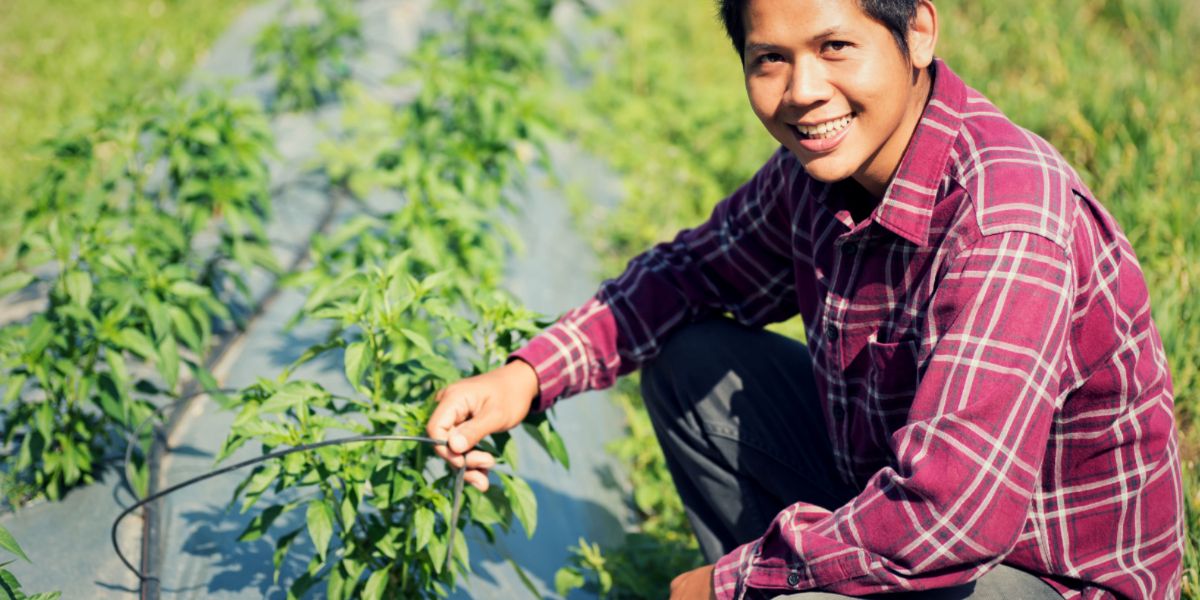
3.Drip Irrigation: This is the most efficient method, delivering water directly to the roots of the plants. It's also relatively easy to install and maintain.
4.Sprinkler Irrigation: While convenient, sprinkler irrigation can waste water through evaporation and can increase the risk of fungal diseases if the foliage remains wet for extended periods.
5.Self-Watering Containers: These containers have a reservoir of water that the plant can draw upon as needed. They are a good option for busy gardeners or for those who tend to underwater their plants.
For most home gardeners, hand watering combined with soaker hoses or drip irrigation offers the best balance of efficiency and ease of use.
Soil Care for Optimal Water Retention
The type of soil you use plays a significant role in how well your chili plants can access and retain water. Amend your soil with organic matter, such as compost or well-rotted manure, to improve its water-holding capacity and drainage.
Mulching: Applying a layer of mulch around your plants can help to conserve moisture, suppress weeds, and regulate soil temperature. Organic mulches, such as straw, wood chips, or shredded leaves, will also break down over time, adding nutrients to the soil. Well-Draining Soil: Good drainage is crucial to prevent root rot. If your soil is heavy clay, amend it with sand or perlite to improve drainage. Soil p H:Chili plants prefer a slightly acidic to neutral soil p H of 6.0 to
7.0. Test your soil p H and amend it as needed.
DIY Irrigation Solutions
You don't need fancy equipment to create an efficient irrigation system for your chili plants. Here are a few DIY ideas:
1.DIY Drip Irrigation: Use a plastic water bottle with small holes poked in the lid. Bury the bottle upside down next to your plants, leaving the neck exposed. Fill the bottle with water, and it will slowly drip into the soil.
2.DIY Soaker Hose: Poke small holes along the length of an old garden hose and bury it in the soil near your plants. Connect the hose to a water source, and it will act as a soaker hose.
3.Rain Barrels: Collect rainwater in barrels and use it to water your plants. This is a great way to conserve water and reduce your water bill.
People Also Ask (FAQs)
How often should I water my chili plants in pots?
Watering frequency for potted chili plants depends on pot size, climate, and plant size. Check the soil moisture daily. Generally, water deeply when the top inch of soil feels dry, which may be every day in hot weather or every 2-3 days in cooler conditions. Ensure the pot has good drainage to prevent waterlogging.
What are the signs of nutrient deficiency that can be mistaken for watering issues?
Yellowing leaves (especially between veins) can indicate a magnesium deficiency. Stunted growth and dark green leaves might point to a phosphorus deficiency. Always check your soil p H and consider a balanced fertilizer to rule out nutrient problems before adjusting your watering schedule drastically.
Is it better to water chili plants in the morning or evening?
Morning is generally best. It allows leaves to dry during the day, reducing fungal disease risk. Evening watering leaves foliage wet overnight, inviting problems. If you must water in the evening, avoid wetting the leaves as much as possible.
Mastering the art of watering chili plants is a journey, not a destination. By understanding your plants' needs, observing their behavior, and adapting your watering schedule accordingly, you can ensure they thrive and reward you with a bountiful harvest of delicious, spicy peppers. Don’t be afraid to experiment and learn from your mistakes. Every garden is unique, and the best way to learn is by doing! With a little patience and attention, you'll be a chili pepper watering pro in no time.