
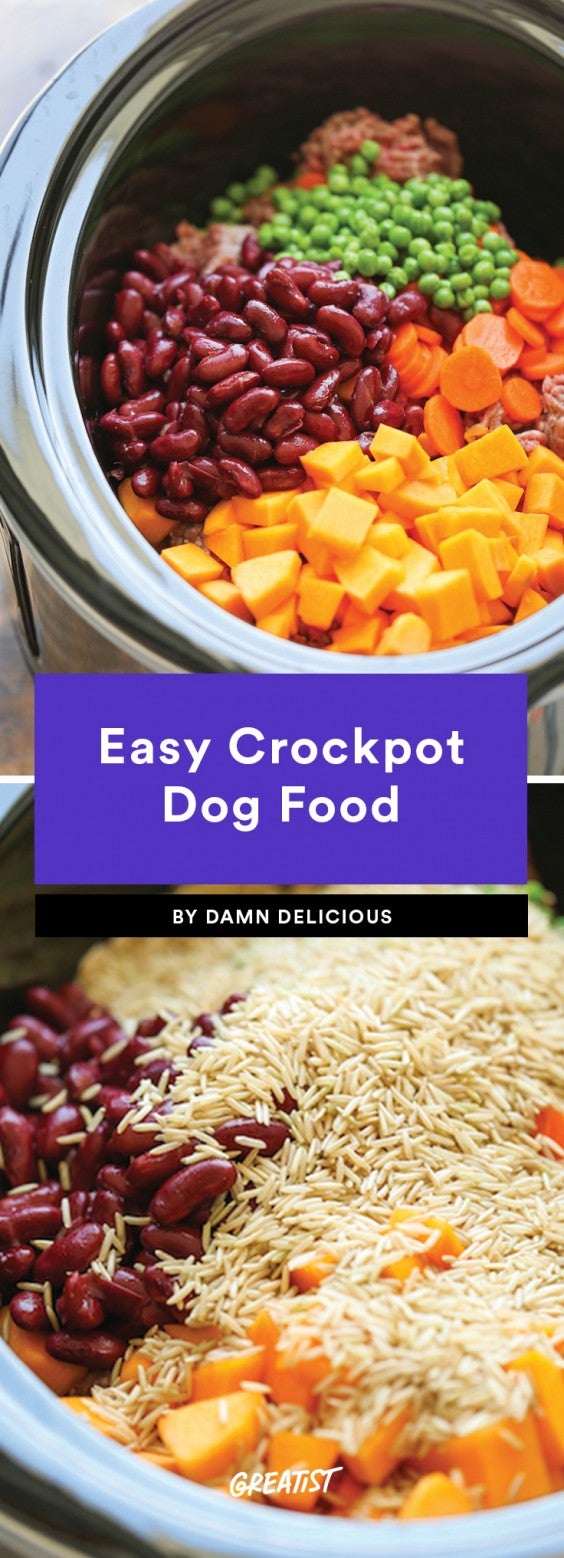
Imagine watching your furry friend gobble down a bowl of nutritious food, knowing exactly what went into it – wholesome ingredients, prepared with love, and all without breaking the bank. Sounds like a dream, right?
Many of us want the best for our dogs, but the rising costs of premium dog food can be a real worry. It’s tough to feel like you have to choose between your pet's health and your financial well-being. Concerns about hidden ingredients, allergies, and ensuring a balanced diet only add to the stress.
That's why we're diving into the world of homemade dog food recipes that are both healthy and budget-friendly. You can provide your beloved companion with delicious, nutritious meals made with simple, affordable ingredients, all from the comfort of your own kitchen.
This article will explore the benefits of making your dog food at home, share practical and affordable recipes, and offer tips for ensuring your dog gets a balanced and complete diet without emptying your wallet. We'll cover everything from selecting cost-effective ingredients to understanding the nutritional needs of your canine companion, empowering you to take control of your dog's diet and your budget. Let’s get started with homemade dog food recipes and simple affordable ingredients.
Why Choose Homemade Dog Food?
Homemade dog food is growing in popularity among pet owners. My own journey into homemade dog food began a few years ago when my golden retriever, Buddy, developed some concerning digestive issues. After countless vet visits and trying various brands of commercial dog food, nothing seemed to work. He constantly suffered from stomach upset, and his coat lost its shine. I felt helpless and frustrated, desperately wanting to find a solution that would bring him relief.
That's when I started researching homemade dog food. The idea of controlling exactly what went into Buddy's meals was incredibly appealing. It allowed me to eliminate potential allergens and tailor his diet to his specific needs. Initially, I was overwhelmed by the information available, but I persevered, consulting with veterinary nutritionists and spending hours researching balanced recipes. The results were remarkable. Within weeks of switching to a homemade diet, Buddy's digestive issues disappeared, his coat became lustrous again, and he seemed happier and more energetic. It was a truly rewarding experience to see such a positive transformation in my beloved dog.
Choosing homemade dog food allows you to have complete control over the ingredients, ensuring your dog avoids artificial additives, preservatives, and fillers often found in commercial brands. It's a fantastic option for dogs with allergies or sensitivities, as you can easily eliminate potential triggers from their diet. Plus, you can tailor the recipes to meet your dog's specific nutritional needs, whether they are a growing puppy, an active adult, or a senior with special health concerns. Homemade dog food can also be a more cost-effective option in the long run, especially if you source ingredients strategically and buy in bulk. By preparing your dog's meals at home, you can provide them with a fresh, wholesome, and balanced diet that promotes their overall health and well-being. The peace of mind that comes from knowing exactly what your dog is eating is priceless, and it's a gift you can give them every day.
Understanding Nutritional Needs
Creating a balanced homemade dog food recipe involves more than just tossing together random ingredients. Dogs, like humans, require a specific balance of nutrients to thrive. This includes protein, carbohydrates, fats, vitamins, and minerals. Protein is essential for muscle development and repair, while carbohydrates provide energy. Healthy fats are crucial for skin and coat health, as well as hormone production. Vitamins and minerals play a vital role in various bodily functions, from bone strength to immune system support.
The ideal ratio of these nutrients can vary depending on your dog's age, breed, activity level, and health status. Puppies, for instance, need more protein and calcium to support their rapid growth, while senior dogs may benefit from a diet lower in calories and higher in fiber. Active dogs require more energy-dense foods to fuel their adventures, while dogs with kidney disease may need a diet lower in protein and phosphorus. Consulting with a veterinary nutritionist is the best way to determine your dog's specific nutritional needs and create a personalized meal plan.
When formulating your homemade dog food recipes, aim for a balance of approximately 40% protein, 50% carbohydrates, and 10% fats. Good sources of protein include lean meats like chicken, turkey, beef, and fish. Carbohydrates can come from whole grains like brown rice, quinoa, and oats, as well as starchy vegetables like sweet potatoes and potatoes. Healthy fats can be found in fish oil, flaxseed oil, and olive oil. Don't forget to include a variety of colorful fruits and vegetables to provide essential vitamins and minerals. It's also important to supplement with a canine multivitamin and mineral supplement to ensure your dog is getting all the nutrients they need. By understanding your dog's nutritional needs and carefully selecting ingredients, you can create homemade meals that support their health and vitality for years to come.
The History and Myths
The concept of feeding dogs homemade food isn't new. Before the rise of commercial dog food in the 20th century, most dogs ate table scraps or meals prepared by their owners. These diets were often far from balanced, but they sustained dogs for centuries.
One of the biggest myths surrounding homemade dog food is that it's too difficult or time-consuming to prepare. While it does require some effort, with proper planning and organization, it can become a manageable part of your routine. Another common misconception is that homemade dog food is inherently more expensive than commercial food. While this can be true if you opt for premium ingredients, it's possible to create budget-friendly recipes using affordable ingredients like chicken, rice, and vegetables. Many people also believe that homemade dog food is nutritionally incomplete or unbalanced. While this can be a valid concern if you're not careful, with proper research and guidance from a veterinary nutritionist, you can create recipes that meet your dog's specific needs.
There's also a myth that dogs need specialized "dog food" to thrive. The truth is that dogs can digest and utilize many of the same foods that humans eat, as long as they are prepared safely and appropriately. The key is to avoid feeding dogs toxic foods like chocolate, onions, garlic, and grapes, and to ensure that their diet is balanced and complete. By debunking these myths and understanding the true benefits of homemade dog food, you can confidently embark on a journey to nourish your dog with fresh, wholesome, and affordable meals.
The Hidden Secret
The hidden secret to successful homemade dog food recipes on a budget lies in strategic planning and resourcefulness. It's about making smart choices when it comes to ingredient selection, meal preparation, and storage.
One of the biggest secrets is to embrace seasonal produce. Fruits and vegetables that are in season are typically more affordable and flavorful. Visit your local farmer's market or join a community-supported agriculture (CSA) program to access fresh, locally sourced produce at a fraction of the cost of supermarket prices. Another secret is to buy in bulk whenever possible. Items like rice, oats, and dried beans are significantly cheaper when purchased in large quantities. Store them in airtight containers to maintain their freshness and prevent spoilage. Don't be afraid to repurpose leftovers from your own meals. Cooked chicken, vegetables, and grains can all be incorporated into your dog's food, as long as they are safe and appropriate. Get creative in the kitchen and experiment with different combinations of ingredients to find what your dog loves. The most important secret is to prioritize your dog's health and well-being. Don't compromise on the quality of ingredients or the nutritional balance of their diet, even when you're on a budget. By following these secrets, you can provide your dog with delicious, nutritious, and affordable homemade meals that support their overall health and happiness.
Recommendations
When embarking on the journey of homemade dog food on a budget, the most important recommendation is to start slow and do your research. Don't try to overhaul your dog's diet overnight. Instead, gradually introduce homemade meals alongside their regular food to allow their digestive system to adjust. This will help prevent stomach upset and ensure a smooth transition.
Another key recommendation is to consult with a veterinary nutritionist. They can help you determine your dog's specific nutritional needs and create a personalized meal plan. They can also advise you on appropriate supplements and portion sizes. When choosing ingredients, opt for affordable and readily available options like chicken, turkey, eggs, brown rice, sweet potatoes, and carrots. These ingredients are packed with nutrients and are generally well-tolerated by dogs. Don't be afraid to experiment with different combinations of ingredients to find what your dog enjoys. Always prioritize food safety when preparing homemade dog food. Wash your hands thoroughly before and after handling raw meat, and cook all meats to a safe internal temperature. Store leftovers in the refrigerator for up to three days and discard any uneaten food promptly. Most importantly, be patient and persistent. It may take some trial and error to find the perfect recipes and routines that work for you and your dog. But with dedication and a little bit of creativity, you can provide your furry friend with a healthy, delicious, and affordable homemade diet that supports their overall health and well-being.
Affordable Ingredient Options
Creating budget-friendly homemade dog food recipes starts with choosing the right ingredients. Lean proteins like chicken and turkey are often more affordable than beef or lamb. Look for sales on chicken thighs or drumsticks, which are typically cheaper than boneless, skinless chicken breasts. Canned tuna or salmon (in water) can also be a cost-effective source of protein and omega-3 fatty acids. Eggs are another excellent and affordable source of protein and essential nutrients.
For carbohydrates, opt for whole grains like brown rice, oats, and quinoa. These grains are nutritious, filling, and relatively inexpensive. Starchy vegetables like sweet potatoes, potatoes, and pumpkin are also great options. They're packed with vitamins, minerals, and fiber. Don't forget about legumes like lentils and beans. These are a good source of protein and fiber, and they can be added to your dog's food in small amounts. When it comes to fruits and vegetables, choose seasonal options that are readily available and affordable. Carrots, apples, broccoli, and spinach are all great choices. Remember to wash and prepare all ingredients properly before adding them to your dog's food. By choosing these affordable ingredient options, you can create nutritious and delicious homemade meals for your dog without breaking the bank. It's all about making smart choices and being resourceful in the kitchen. Your dog will thank you for it!
Tips for Success
Making homemade dog food doesn't have to be overwhelming. With a few simple tips and tricks, you can streamline the process and make it a sustainable part of your routine. Start by planning your meals in advance. Create a weekly or monthly meal plan to ensure you have all the necessary ingredients on hand. Batch cooking is another great time-saving technique. Prepare a large batch of food at once and divide it into individual portions. Store the portions in the refrigerator or freezer for easy access throughout the week.
Invest in some good-quality storage containers to keep your dog's food fresh. Airtight containers will help prevent spoilage and maintain the food's nutritional value. Don't be afraid to involve your family in the process. Get your kids or partner involved in chopping vegetables or measuring ingredients. It can be a fun and educational activity for everyone. Most importantly, be patient and persistent. It may take some time to find the perfect recipes and routines that work for you and your dog. Don't get discouraged if things don't go perfectly at first. Just keep experimenting and learning, and you'll eventually find your groove. With a little bit of planning, organization, and creativity, you can successfully make homemade dog food a part of your life.
Balancing Your Dog's Diet
Ensuring your dog receives a balanced diet is crucial when making homemade food. This means providing the correct ratio of protein, carbohydrates, fats, vitamins, and minerals. Protein sources include lean meats like chicken, turkey, and fish, while carbohydrates can come from brown rice, sweet potatoes, and oats. Healthy fats are found in fish oil, flaxseed oil, and olive oil. It's important to supplement your dog's diet with a canine multivitamin and mineral supplement to ensure they are getting all the necessary nutrients.
Different life stages and activity levels require different nutritional needs. Puppies, for example, need more protein and calcium for growth, while senior dogs may benefit from a lower-calorie diet. Consult with a veterinary nutritionist to determine the specific needs of your dog and create a personalized meal plan. When preparing homemade dog food, avoid feeding your dog toxic foods like chocolate, onions, garlic, and grapes. These foods can be harmful or even fatal to dogs. Be mindful of portion sizes and avoid overfeeding your dog. Obesity can lead to a variety of health problems, so it's important to maintain a healthy weight. By paying attention to these details, you can ensure that your dog receives a balanced and complete diet that supports their overall health and well-being. It's a rewarding experience to know that you are providing your furry friend with the nutrition they need to thrive.
Fun Facts
Did you know that dogs can taste sweetness? While they don't have as many taste buds as humans, they can still detect sweet flavors. This is why many dogs enjoy fruits and vegetables like carrots, apples, and sweet potatoes.
Another fun fact is that dogs have a much stronger sense of smell than humans. Their noses have millions of olfactory receptors, allowing them to detect scents that we can't even imagine. This is why dogs are often used in search and rescue operations and for detecting drugs and explosives. Dogs also have a unique ability to digest bones. Their stomachs produce strong acids that can break down bone material, making it a safe and nutritious addition to their diet. However, it's important to only feed dogs raw bones, as cooked bones can splinter and cause digestive problems. The first commercial dog food was introduced in the late 19th century by an American electrician named James Spratt. He developed a "dog cake" made of wheat meal, vegetables, beetroot, and meat. It quickly became popular and paved the way for the modern dog food industry. Dogs have different nutritional needs than humans. For example, they require more protein and fat in their diet. This is why it's important to feed them a diet that is specifically formulated for dogs, whether it's commercial dog food or homemade meals. By learning these fun facts, you can gain a deeper appreciation for the unique characteristics and needs of our canine companions. They are truly amazing creatures!
How To
Making homemade dog food is easier than you might think. Start by gathering your ingredients and equipment. You'll need a cutting board, a knife, a pot or slow cooker, and some storage containers. Choose your recipe and follow the instructions carefully. Begin by chopping your vegetables and cooking your protein source. If you're using a slow cooker, simply combine all the ingredients and cook on low for 6-8 hours. If you're using a pot, simmer the ingredients on the stovetop until they are cooked through.
Once the food is cooked, let it cool completely before portioning it out and storing it. You can store the food in the refrigerator for up to three days or in the freezer for up to three months. When it's time to feed your dog, simply thaw or reheat the food and serve. Remember to adjust the portion sizes based on your dog's weight, age, and activity level. It's always a good idea to start with a smaller portion and gradually increase it until you find the right amount. Making homemade dog food is a rewarding experience that allows you to provide your furry friend with fresh, wholesome meals. With a little bit of practice and planning, you can become a pro in no time!
What If
What if your dog doesn't like homemade food? Don't give up! Some dogs can be picky eaters, but there are ways to encourage them to try new foods. Start by mixing a small amount of homemade food with their regular food. Gradually increase the amount of homemade food over time until they are eating it exclusively.
If your dog still refuses to eat the homemade food, try adding some tasty toppers like a spoonful of plain yogurt, a sprinkle of Parmesan cheese, or a drizzle of fish oil. You can also try different recipes to see if your dog prefers certain ingredients or flavors. What if your dog has allergies or sensitivities? Homemade dog food is a great option for dogs with allergies because you can control exactly what goes into their food. Work with your veterinarian to identify your dog's specific allergens and create recipes that avoid those ingredients. What if you don't have time to make homemade dog food every day? That's okay! You can batch cook and freeze the food for later use. This will save you time and ensure that you always have a healthy meal on hand for your dog. What if you're not sure if your homemade dog food is balanced? Consult with a veterinary nutritionist to review your recipes and ensure they meet your dog's nutritional needs. By addressing these "what if" scenarios, you can overcome any challenges and successfully make homemade dog food a part of your dog's life.
Listicle of Homemade Dog Food Recipes
Here are a few budget-friendly homemade dog food recipes to get you started:
1. Chicken and Rice Delight: Combine cooked chicken, brown rice, carrots, and peas. Add a canine multivitamin and mineral supplement.
2. Turkey and Sweet Potato Bowl: Mix cooked ground turkey, sweet potatoes, green beans, and apples. Supplement with fish oil for healthy fats.
3. Beef and Veggie Stew: Simmer ground beef, potatoes, carrots, and zucchini in water or low-sodium broth. Add a canine multivitamin and mineral supplement.
4. Vegetarian Feast: Combine lentils, brown rice, sweet potatoes, and spinach. Supplement with a canine multivitamin and mineral supplement and flaxseed oil for omega-3 fatty acids.
5. Egg and Oatmeal Scramble: Scramble eggs with cooked oatmeal and add chopped vegetables like broccoli or carrots. This is a quick and easy meal for busy days. Remember to adjust the portion sizes based on your dog's weight, age, and activity level. These recipes are just a starting point. Feel free to experiment with different ingredients and flavors to find what your dog loves. Always consult with a veterinary nutritionist to ensure your homemade recipes meet your dog's specific nutritional needs. With a little bit of creativity and planning, you can create delicious and nutritious homemade meals for your dog that won't break the bank.
Question and Answer
Q: Is homemade dog food safe for my dog?
A: Yes, homemade dog food can be safe if prepared correctly and with the guidance of a veterinarian or veterinary nutritionist. It's crucial to ensure that the recipes are balanced and meet your dog's specific nutritional needs.
Q: How do I know if my homemade dog food is balanced?
A: The best way to ensure your homemade dog food is balanced is to consult with a veterinary nutritionist. They can review your recipes and make recommendations for supplements or adjustments as needed.
Q: Can I use table scraps in my homemade dog food?
A: While some table scraps are safe for dogs, it's important to avoid feeding them toxic foods like chocolate, onions, garlic, and grapes. Also, be mindful of the salt and fat content in table scraps.
Q: How much homemade dog food should I feed my dog?
A: The amount of homemade dog food you should feed your dog depends on their weight, age, activity level, and metabolism. Consult with your veterinarian or a veterinary nutritionist to determine the appropriate portion size for your dog.
Conclusion of Homemade Dog Food Recipes on a Budget
Creating homemade dog food on a budget is entirely achievable and can be a rewarding way to nourish your furry friend. By understanding their nutritional needs, choosing affordable ingredients, and following safe food handling practices, you can provide your dog with delicious, wholesome meals that support their overall health and well-being. Remember to consult with a veterinary nutritionist to ensure your recipes are balanced and meet your dog's specific requirements. Embrace the journey, experiment with flavors, and enjoy the peace of mind that comes from knowing exactly what your dog is eating.