
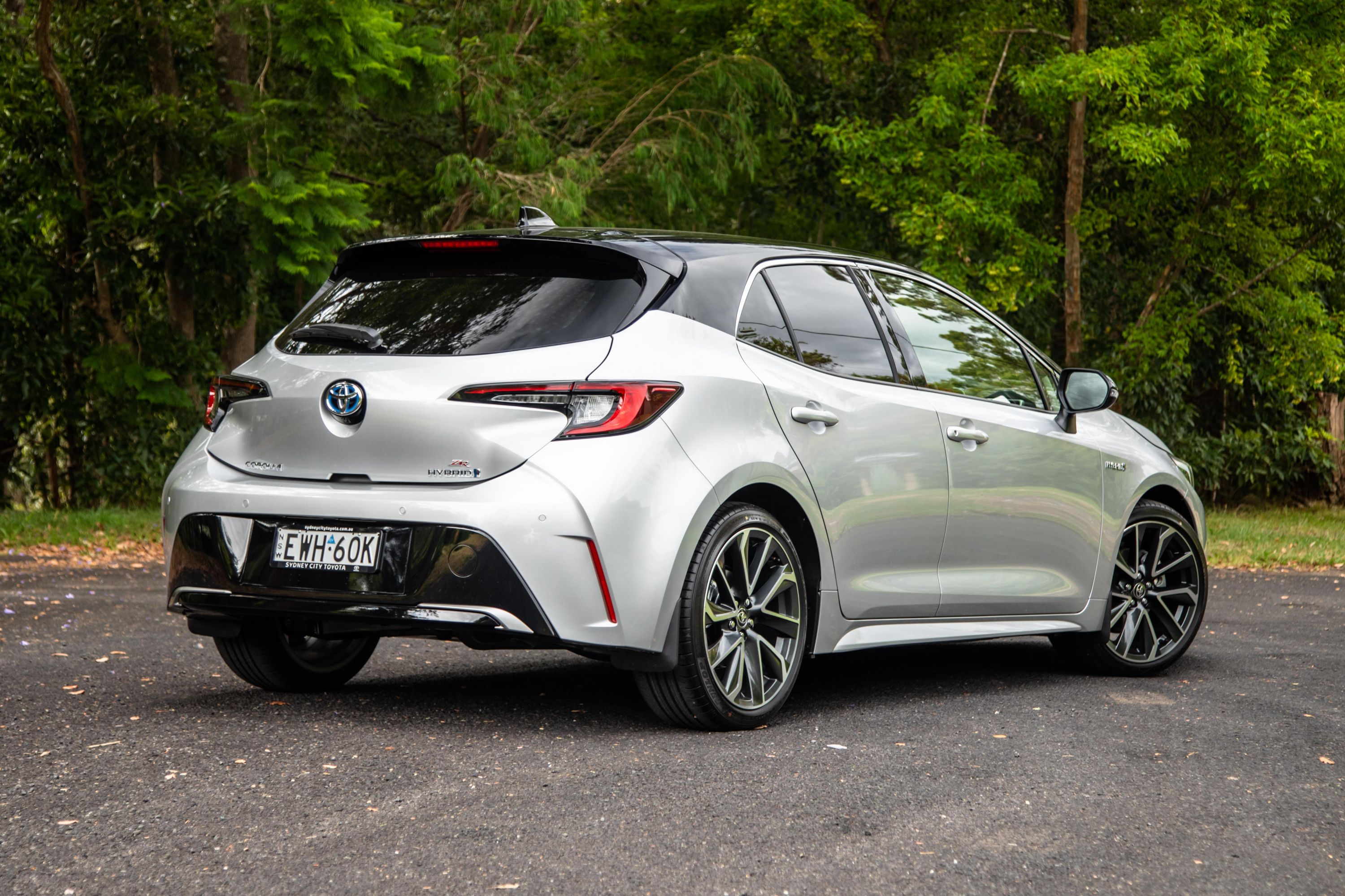
Ever wondered what makes the Toyota Prius, the poster child for hybrid cars, tick? It's not just a regular engine with a battery slapped on; it's a carefully orchestrated dance between gasoline and electricity. Understanding the inner workings can feel like deciphering a complex code, but fear not, we're here to break it down for you!
Trying to wrap your head around hybrid technology can be frustrating. The jargon alone – regenerative braking, power split device, Atkinson cycle – can leave you feeling lost. You might be thinking: How does it all connect? What parts are actually responsible for the amazing fuel efficiency? And is it really that different from a regular car engine?
This post aims to demystify the hybrid technology powering the Toyota Prius. We'll explore the key components, explain how they interact, and illustrate the concepts with clear diagrams. By the end, you'll have a solid understanding of what makes the Prius such an innovative and fuel-efficient vehicle. We'll delve into the Hybrid Synergy Drive, regenerative braking, and even touch on the specifics of the Prius's engine.
In this article, we'll be exploring the intricacies of the Toyota Prius's hybrid system, from the engine and electric motors to the regenerative braking system and power control unit. We'll look at how these components work together to maximize fuel efficiency and reduce emissions. Key terms you'll learn about include: Hybrid Synergy Drive, Atkinson cycle engine, electric motor generators (MG1 & MG2), power split device, and regenerative braking. Ready to peek under the hood (figuratively speaking, of course)?
Understanding the Hybrid Synergy Drive
The Hybrid Synergy Drive (HSD) is really the heart and soul of the Prius. I remember when I first started researching hybrid cars, I was completely overwhelmed by this term. It sounded so futuristic and complicated! But after spending some time digging into the details, it became clear that it's just a clever way of describing how Toyota combines the power from the gasoline engine and the electric motors. My own journey towards understanding hybrid technology started with trying to make sense of the Synergy Drive. I was reading articles online, watching You Tube videos, and even trying to sketch out my own diagrams. The more I learned, the more I appreciated the ingenuity of the system.
At its core, the HSD is a series-parallel hybrid system. This means the Prius can run on gasoline alone, electricity alone, or a combination of both. The key to making this all work is the power split device, a planetary gear set that intelligently manages the power flow between the engine, the electric motors, and the wheels. Think of it as a sophisticated conductor orchestrating the energy from different sources. One motor acts primarily as a generator (MG1), starting the engine and controlling its speed. The other motor (MG2) provides power to the wheels and also regenerates energy during braking. The computer constantly monitors driving conditions and adjusts the power split to optimize fuel efficiency and performance. This smooth coordination allows the Prius to achieve impressive MPG figures, especially in city driving where the electric motor can handle much of the workload.
Key Components of the Prius Hybrid System
Let's break down the key components that make up the Prius's hybrid system. First, there's the gasoline engine. Unlike a traditional engine, the Prius uses an Atkinson cycle engine, which is designed for greater efficiency. It achieves this by delaying the closing of the intake valve, effectively reducing the compression ratio and improving fuel economy. Next, we have the electric motor generators, MG1 and MG2, which we touched on earlier. MG1 primarily generates electricity and starts the engine, while MG2 provides motive power and captures energy during regenerative braking. Then there's the power control unit (PCU), which manages the voltage and current flow between the battery, the motors, and the engine. Finally, the high-voltage battery stores the electrical energy used to power the motors. All these components work together seamlessly under the control of the vehicle's computer system.
A Brief History and Some Myths About the Prius
The Toyota Prius wasn't an overnight success. It was initially launched in Japan in 1997 and faced skepticism from many. People questioned the reliability of the battery technology and the overall cost-effectiveness of hybrid vehicles. There were even myths circulating that the batteries would need to be replaced every few years at exorbitant prices. However, Toyota persevered, investing heavily in research and development to improve the technology and address these concerns. Over time, the Prius gained popularity as its fuel efficiency and reliability became apparent. The myth about frequent battery replacements has largely been debunked, as many Prius owners have reported their batteries lasting well over 100,000 miles, even exceeding 200,000 miles in some cases. The Prius paved the way for other hybrid vehicles and demonstrated that environmentally friendly cars could be both practical and reliable. Its success helped to shift public perception and accelerate the adoption of hybrid technology across the automotive industry.
The Hidden Secret: Regenerative Braking
One of the most fascinating aspects of the Prius's hybrid system is regenerative braking. When you press the brake pedal, the electric motor acts as a generator, converting the kinetic energy of the car into electrical energy, which is then stored in the battery. This not only helps to slow down the vehicle but also recharges the battery, extending the car's electric driving range. It's a brilliant way to recapture energy that would otherwise be lost as heat. The transition between regenerative braking and traditional friction braking is seamless, thanks to sophisticated control algorithms. In city driving, where you're frequently braking and accelerating, regenerative braking can significantly improve fuel economy. It's like getting free energy every time you slow down! This hidden secret is a key contributor to the Prius's impressive MPG figures.
Recommendations for Prius Owners
If you own a Prius, there are a few things you can do to maximize its fuel efficiency and extend its lifespan. First, drive smoothly and avoid aggressive acceleration and braking. Gentle driving habits allow the hybrid system to operate more efficiently and maximize regenerative braking. Second, maintain proper tire pressure. Underinflated tires increase rolling resistance, which reduces fuel economy. Third, follow the recommended maintenance schedule. Regular oil changes, filter replacements, and battery checks will help to keep your Prius running smoothly. Finally, familiarize yourself with the car's energy monitor display. This display provides real-time feedback on the hybrid system's operation, allowing you to adjust your driving habits to optimize fuel efficiency. By following these recommendations, you can get the most out of your Prius and enjoy its fuel-saving benefits for years to come.
The Power Split Device Explained
The power split device, as we mentioned earlier, is crucial to how the Prius seamlessly blends power from both the gasoline engine and electric motors. This device uses a planetary gear set, consisting of a sun gear, a ring gear, and planet gears. The engine is connected to the sun gear, MG1 is connected to the ring gear, and MG2 is connected to the planet carrier. This configuration allows the system to independently control the speed of the engine and MG1, while MG2 provides power to the wheels. By varying the speed of MG1, the system can adjust the amount of power coming from the engine and the electric motors. During low-speed driving, the engine can be shut off completely, and the car can run solely on electric power. During high-speed driving or when more power is needed, the engine can provide additional power to the wheels, supplemented by the electric motors. The power split device ensures a smooth and efficient transition between the different power sources, optimizing fuel economy and performance in all driving conditions.
Tips for Maximizing Fuel Efficiency
Getting the most out of your Prius's fuel efficiency isn't just about having the right technology; it's also about adopting the right driving habits. One key tip is to anticipate traffic conditions and avoid sudden stops and starts. Smooth acceleration and deceleration allow the regenerative braking system to capture more energy and reduce fuel consumption. Another tip is to use the "ECO" mode, which optimizes the car's performance for maximum fuel efficiency. This mode reduces throttle response and limits the use of the air conditioning, helping to save fuel. Furthermore, avoid carrying unnecessary weight in your car. Extra weight increases the load on the engine and reduces fuel economy. Finally, plan your trips strategically. Combining short trips into one longer trip can help to reduce the number of cold starts, which consume more fuel. By implementing these tips, you can easily improve your Prius's fuel efficiency and save money at the pump.
Understanding the Atkinson Cycle Engine
The Atkinson cycle engine used in the Prius is a variation of the traditional Otto cycle engine, designed to improve fuel efficiency. In an Otto cycle engine, the compression and expansion ratios are equal. However, in an Atkinson cycle engine, the intake valve remains open for a longer period during the compression stroke, effectively reducing the compression ratio. This reduces the amount of work required to compress the air-fuel mixture, improving fuel economy. The downside is that it also reduces power output. However, the Prius's hybrid system compensates for this by providing additional power from the electric motors. The Atkinson cycle engine is particularly efficient at low to medium engine speeds, which are common in city driving. This makes it an ideal choice for a hybrid vehicle like the Prius, which relies on a combination of gasoline and electric power.
Fun Facts About the Prius
Did you know that the name "Prius" comes from the Latin word meaning "to go before" or "to precede"? This was meant to signify the car's role as a pioneer in hybrid technology. Another fun fact is that the Prius was originally designed to be a smaller, more compact vehicle. However, Toyota decided to increase its size to accommodate more passengers and cargo. The Prius has also been featured in numerous movies and TV shows, solidifying its status as an iconic symbol of eco-friendliness. In fact, the Prius was one of the first hybrid vehicles to gain widespread popularity, paving the way for other hybrid and electric cars. The Prius's success has also inspired other automakers to develop their own hybrid technologies, contributing to a more sustainable automotive industry. These fun facts highlight the Prius's unique history and its lasting impact on the world of automobiles.
How to Maintain Your Prius Hybrid System
Maintaining your Prius's hybrid system is crucial for ensuring its longevity and optimal performance. While the hybrid system is generally reliable, regular maintenance can help prevent potential problems. One important aspect of maintenance is to monitor the health of the high-voltage battery. While the battery is designed to last for many years, its performance can gradually degrade over time. If you notice a significant decrease in fuel efficiency or a reduction in electric driving range, it may be a sign that the battery needs attention. Regular servicing by a qualified technician can help to diagnose and address any battery-related issues. Another important aspect of maintenance is to keep the cooling system clean and properly functioning. The hybrid system generates a significant amount of heat, and the cooling system helps to dissipate this heat and prevent overheating. By following the recommended maintenance schedule and addressing any potential problems promptly, you can keep your Prius's hybrid system running smoothly for many years to come.
What If Something Goes Wrong? Common Prius Hybrid Problems
While the Toyota Prius is known for its reliability, like any car, it can experience problems. Some common issues related to the hybrid system include battery degradation, inverter failure, and problems with the regenerative braking system. Battery degradation is a natural process that occurs over time, as the battery loses its ability to store energy. Inverter failure can result in a loss of power and can prevent the car from running. Problems with the regenerative braking system can reduce fuel efficiency and may require repairs. If you experience any of these issues, it's important to take your Prius to a qualified technician who specializes in hybrid vehicles. They can accurately diagnose the problem and recommend the appropriate repairs. Regular maintenance and prompt attention to any warning signs can help to prevent more serious problems from developing. While hybrid system repairs can be more expensive than traditional car repairs, they are often necessary to keep your Prius running efficiently and reliably.
Top 5 Reasons to Choose a Toyota Prius
Let's face it, choosing a car is a big decision. Here's a listicle for you. First, its outstanding fuel efficiency is a major draw, especially with fluctuating gas prices. Second, the Prius has a proven track record for reliability, offering peace of mind to owners. Third, its lower emissions contribute to a cleaner environment, aligning with eco-conscious values. Fourth, the Prius offers a comfortable and practical driving experience, with ample space for passengers and cargo. Finally, its innovative technology and unique design make it a standout vehicle in the automotive market. These five reasons highlight the key benefits of owning a Toyota Prius and explain why it continues to be a popular choice for drivers around the world.
Question and Answer
Here are some frequently asked questions about the Toyota Prius and its hybrid technology:
Q: How long does the Prius battery last?
A: The Prius battery is designed to last for many years, typically 100,000 to 200,000 miles or more. Many factors can affect battery life, including driving habits, climate, and maintenance.
Q: Is it expensive to replace the Prius battery?
A: Battery replacement costs have come down significantly in recent years. While it can still be a significant expense, it's often less than what many people expect.
Q: How does regenerative braking work?
A: Regenerative braking uses the electric motor as a generator to convert kinetic energy into electrical energy, which is then stored in the battery. This helps to slow down the car and recharge the battery at the same time.
Q: What is the Hybrid Synergy Drive?
A: The Hybrid Synergy Drive is Toyota's hybrid system that combines a gasoline engine and electric motors to provide power to the wheels. It allows the Prius to run on gasoline alone, electricity alone, or a combination of both.
Conclusion of Toyota Prius Hybrid Technology Explained (With Diagrams)
The Toyota Prius's hybrid technology is a marvel of engineering. By understanding the Hybrid Synergy Drive, the regenerative braking system, and the Atkinson cycle engine, you gain a deeper appreciation for how this car achieves its impressive fuel efficiency and reduces emissions. From its early days facing skepticism to its current status as a symbol of eco-friendliness, the Prius has revolutionized the automotive industry. Whether you're a current Prius owner or simply curious about hybrid technology, we hope this explanation has shed some light on the inner workings of this iconic vehicle. The Prius is not just a car; it's a testament to innovation and a step towards a more sustainable future.