
Thinking about going green with a hybrid car? That's awesome! But did you know that Uncle Sam might give you a little something back for doing your part for the environment? Navigating the world of tax deductions and credits can feel overwhelming, but understanding the incentives available for hybrid vehicles can make your eco-friendly decision even more rewarding.
Many folks find the process of figuring out which credits they qualify for, and how to actually claim them, to be a bit of a headache. The rules and regulations seem to change all the time, and wading through government websites can feel like trying to find a needle in a haystack. You just want to save some money and feel good about your car choice!
This blog post is designed to be your friendly guide to understanding the current tax deductions and credits available for hybrid cars. We'll break down the key information you need to know, explain how to determine if you're eligible, and point you in the right direction for claiming those valuable incentives.
We'll cover current federal and state tax incentives related to hybrid vehicle ownership, eligibility requirements, and how to claim those incentives when filing your taxes. We'll also demystify some common misconceptions surrounding hybrid car tax benefits and offer some helpful tips to maximize your savings. Whether you're a seasoned hybrid owner or just starting to consider this eco-friendly option, this guide will equip you with the knowledge you need to navigate the world of hybrid car tax deductions and credits.
My Personal Journey to Hybrid Vehicle Tax Savings
I remember when I first started looking into hybrid cars. The environmental benefits were a huge draw, but let's be honest, the initial cost was a bit intimidating. That's when I started digging into the tax incentives, and it made a real difference in my decision-making process. I spent hours online, trying to decipher the IRS guidelines and state-specific programs. It felt like a treasure hunt, trying to uncover all the potential savings. I even contacted my local tax professional to get some clarification. What I discovered was that there are several credits and deductions available and how much they are varied depending on the vehicle's fuel efficiency and battery capacity.
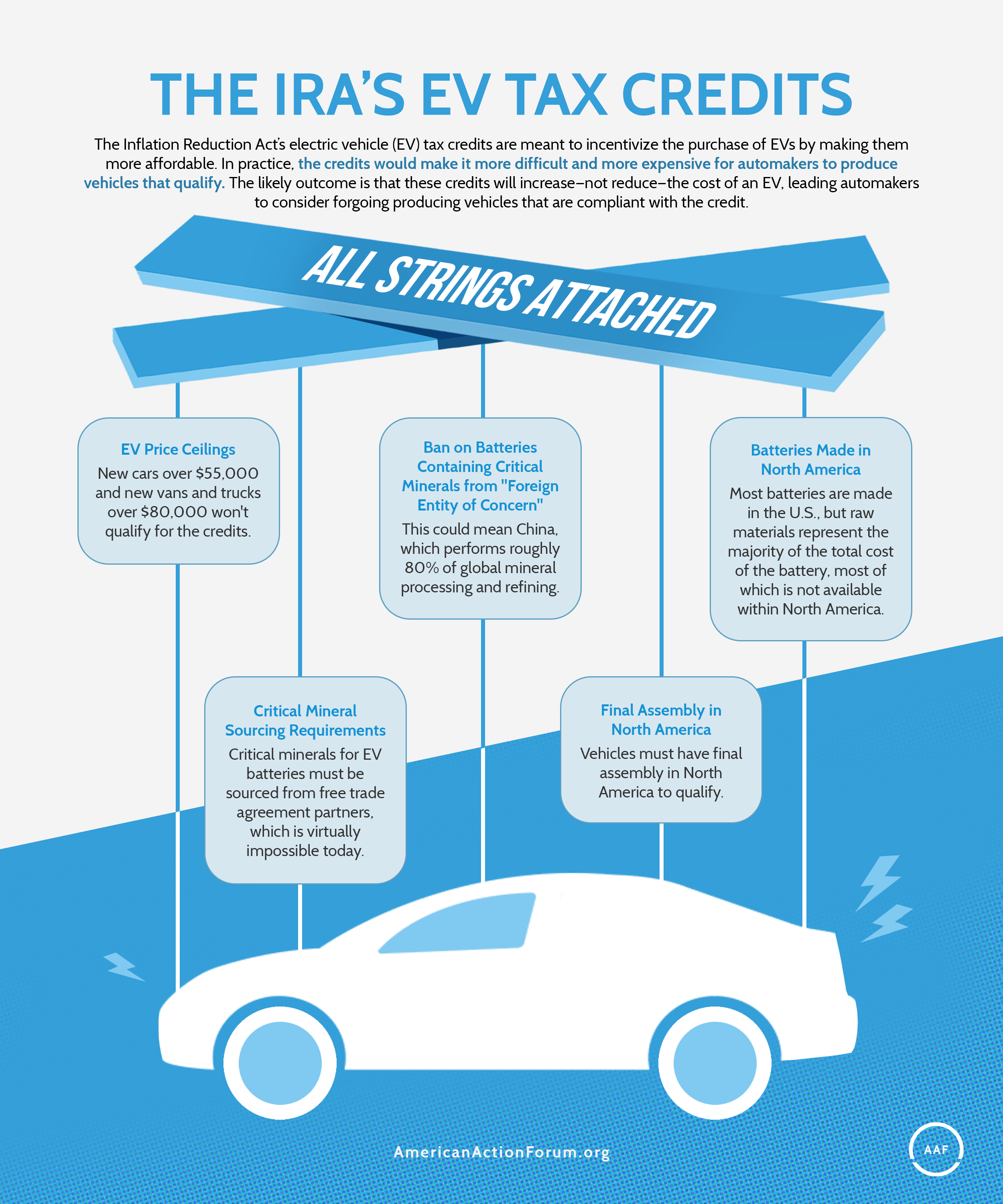
The federal tax credit for hybrid vehicles, known as the Qualified Plug-In Electric Drive Motor Vehicle Credit (IRC 30D), could provide you a significant amount of money, lowering the overall cost of your investment. This credit, which is worth up to $7,500, is intended to encourage the use of electric vehicles and is based on the battery capacity of the vehicle. It is important to note that this credit is only available for new vehicles purchased, and the amount varies depending on the battery capacity and other requirements. For example, a hybrid with a larger battery will qualify for a larger credit.
Furthermore, several states and municipalities provide extra incentives, such as rebates, tax exemptions, and access to HOV lanes, to further encourage the use of hybrid vehicles. These incentives can differ substantially by location, so it is critical to study the programmes offered in your state and municipality. Some states, for example, provide rebates on the purchase or lease of a hybrid vehicle, while others offer tax exemptions on registration or annual fees. In addition, some cities offer free parking or discounted charging rates for hybrid car drivers, further boosting the overall value proposition.
One of the most significant advantages of owning a hybrid car is its environmental effect. Hybrid vehicles are more environmentally friendly than traditional gasoline-powered vehicles because they emit fewer pollutants into the atmosphere. Hybrid vehicles help to minimise carbon emissions and improve air quality by combining an internal combustion engine with an electric motor, resulting in a cleaner and more sustainable transportation option. Furthermore, hybrid vehicles frequently have regenerative braking technology, which captures energy during braking and uses it to recharge the battery, further increasing efficiency and lowering emissions.
Understanding Federal Tax Credits for Hybrids
The federal government, through the IRS, offers a tax credit called the "Qualified Plug-In Electric Drive Motor Vehicle Credit" (IRC 30D). While this credit is often associated with fully electric vehicles, many plug-in hybrid vehicles (PHEVs) also qualify. The amount of the credit depends on the vehicle's battery capacity and other factors. It's crucial to understand that this credit is nonrefundable, meaning that you can only use it to reduce your tax liability down to zero. Any remaining credit amount cannot be received as a refund.
One of the most significant advantages of owning a hybrid car is its environmental effect. Hybrid vehicles are more environmentally friendly than traditional gasoline-powered vehicles because they emit fewer pollutants into the atmosphere. Hybrid vehicles help to minimise carbon emissions and improve air quality by combining an internal combustion engine with an electric motor, resulting in a cleaner and more sustainable transportation option. Furthermore, hybrid vehicles frequently have regenerative braking technology, which captures energy during braking and uses it to recharge the battery, further increasing efficiency and lowering emissions.
To be eligible for the federal tax credit, your hybrid vehicle must meet specific requirements outlined by the IRS. Generally, the vehicle must be new, have a battery capacity of at least 5 kilowatt-hours, and be manufactured by a qualified manufacturer. It's important to note that the credit is phased out for each manufacturer after they have sold 200,000 eligible vehicles. Once a manufacturer reaches this threshold, the credit is gradually reduced over the following quarters until it is fully eliminated.
There are several resources available to help you determine if your hybrid vehicle qualifies for the federal tax credit. The IRS website provides detailed information about the requirements and limitations of the credit, as well as a list of qualified vehicles. You can also consult with a tax professional or use online tools to estimate the amount of credit you may be eligible for.
Debunking Myths About Hybrid Car Tax Incentives
There are several common misconceptions surrounding hybrid car tax incentives that can lead to confusion and missed opportunities. One myth is that all hybrid cars automatically qualify for a tax credit. In reality, only plug-in hybrid vehicles (PHEVs) are typically eligible for the federal tax credit, and even then, they must meet specific battery capacity and manufacturing requirements. Traditional hybrids that don't plug in are generally not eligible for this credit.
Many people believe that the federal tax credit is a straightforward rebate that you receive when you purchase the vehicle. However, it's important to understand that it's a nonrefundable tax credit, which means that you can only use it to reduce your tax liability down to zero. If the credit amount exceeds your tax liability, you won't receive the difference as a refund. It's also essential to remember that the credit is phased out for each manufacturer after they have sold 200,000 eligible vehicles. Once a manufacturer reaches this threshold, the credit is gradually reduced over the following quarters until it is fully eliminated.
Another myth is that all state and local incentives are the same across the country. In reality, state and local incentives can vary significantly depending on your location. Some states offer rebates on the purchase or lease of a hybrid vehicle, while others offer tax exemptions on registration or annual fees. In addition, some cities offer free parking or discounted charging rates for hybrid car drivers. It's essential to research the programs offered in your state and municipality to maximize your savings.
Finally, some people believe that claiming the hybrid car tax credit is a complicated and time-consuming process. While it's true that you'll need to gather some documentation and fill out the appropriate tax forms, the process is generally straightforward. The IRS website provides detailed instructions on how to claim the credit, and you can also consult with a tax professional or use online tools for assistance.
Unlocking the Hidden Secrets of Hybrid Tax Benefits
One of the best-kept secrets about hybrid car tax benefits is that the savings don't always end with the federal tax credit. Many states and local governments offer additional incentives, such as rebates, tax exemptions, and access to HOV lanes, to encourage the adoption of hybrid vehicles. These incentives can significantly increase the overall value proposition of owning a hybrid car, making it an even more attractive option for environmentally conscious consumers.
Another hidden benefit is that hybrid cars often qualify for preferential financing rates and insurance discounts. Lenders and insurance companies may offer lower interest rates or premiums to hybrid car owners because these vehicles are often considered to be lower risk and more environmentally friendly. Be sure to shop around and compare rates from different providers to find the best deals available.
Hybrid cars also offer long-term cost savings in terms of fuel efficiency and maintenance. Hybrid vehicles typically get better gas mileage than traditional gasoline-powered cars, which can save you money at the pump over the life of the vehicle. Additionally, hybrid cars often require less maintenance due to regenerative braking systems and other features that reduce wear and tear on the vehicle.
One often overlooked benefit is the positive impact on resale value. As hybrid technology becomes more popular and demand for fuel-efficient vehicles increases, hybrid cars are likely to retain their value better than traditional gasoline-powered cars. This can result in a higher resale price when you eventually decide to sell or trade in your hybrid vehicle.
Recommendations for Maximizing Hybrid Car Tax Savings
My top recommendation for maximizing your hybrid car tax savings is to do your research thoroughly. Don't rely solely on information from dealerships or online sources. Consult with a tax professional or use reputable online resources to understand the eligibility requirements and limitations of the federal tax credit and any state or local incentives that may be available to you.
Another key recommendation is to keep accurate records of your purchase and expenses related to your hybrid car. This includes the purchase price, sales tax, registration fees, and any other expenses that may be deductible. Keep all receipts and documentation in a safe place, as you'll need them when you file your taxes. Be sure to file your taxes on time and accurately, as failure to do so can result in penalties and interest. If you're unsure about how to claim the hybrid car tax credit or other incentives, seek professional assistance from a tax advisor or accountant.
Consider leasing a hybrid vehicle instead of purchasing it. In some cases, leasing may be a more advantageous option, as the leasing company may be able to claim the federal tax credit and pass the savings on to you in the form of lower monthly payments. Be sure to compare the total cost of leasing versus purchasing to determine which option is best for your situation.
Take advantage of any state or local incentives that may be available to you. These incentives can vary significantly depending on your location, so it's important to research the programs offered in your state and municipality. Some states offer rebates on the purchase or lease of a hybrid vehicle, while others offer tax exemptions on registration or annual fees. In addition, some cities offer free parking or discounted charging rates for hybrid car drivers.
Understanding the IRS Form 8936
Form 8936, also known as the Clean Vehicle Credits Form, is the IRS document you'll use to claim the Qualified Plug-In Electric Drive Motor Vehicle Credit. It's crucial to understand this form to ensure you accurately report your hybrid vehicle purchase and claim the appropriate credit. The form requires you to provide information about the vehicle, such as the vehicle identification number (VIN), the date of purchase, and the battery capacity. You'll also need to indicate whether the vehicle meets the requirements for the credit.
One of the most important sections of Form 8936 is Part I, which is used to calculate the amount of the credit. The amount of the credit is based on the battery capacity of the vehicle, with a base amount of $2,500 plus an additional amount for each kilowatt-hour of battery capacity exceeding 5 kilowatt-hours. The maximum credit amount is $7,500. It's important to note that the credit is nonrefundable, which means that you can only use it to reduce your tax liability down to zero. Any remaining credit amount cannot be received as a refund.
To complete Form 8936, you'll need to gather some documentation, including the vehicle's window sticker or other documentation that shows the battery capacity. You'll also need to keep a copy of the form for your records. When you file your taxes, you'll submit Form 8936 along with your other tax forms. If you're using tax software, the software will guide you through the process of completing the form and claiming the credit.
The IRS website provides detailed instructions on how to complete Form 8936, as well as a list of qualified vehicles. You can also consult with a tax professional or use online tools for assistance. Be sure to review the instructions carefully and gather all the necessary documentation before you begin filling out the form.
Tips for Filing Taxes with Hybrid Car Credits
When filing your taxes with hybrid car credits, the first tip is to start early and gather all the necessary documentation. This includes the vehicle's purchase agreement, window sticker, and any other documents that verify the vehicle's eligibility for the credit. Having all your documents organized will make the filing process much smoother and less stressful.
Another important tip is to use tax software or consult with a tax professional. Tax software can guide you through the process of claiming the credit and ensure that you're filling out the forms correctly. A tax professional can provide personalized advice and help you maximize your tax savings.
Be sure to double-check your work before submitting your tax return. Make sure that you've entered all the information correctly and that you've claimed the appropriate amount of credit. Errors or omissions can delay the processing of your return or result in penalties. Keep a copy of your tax return and all supporting documentation for your records. This will be helpful if you ever need to amend your return or respond to an IRS inquiry.
Finally, stay informed about any changes to the tax laws. The tax laws are constantly evolving, so it's important to stay up-to-date on any changes that may affect your eligibility for the hybrid car credit. The IRS website is a great resource for staying informed about tax law changes.
Navigating State-Specific Hybrid Incentives
State-specific hybrid incentives can vary widely depending on your location. Some states offer rebates on the purchase or lease of a hybrid vehicle, while others offer tax exemptions on registration or annual fees. In addition, some cities offer free parking or discounted charging rates for hybrid car drivers. To find out what incentives are available in your state, start by checking your state's Department of Motor Vehicles (DMV) website. The DMV website should provide information on any tax incentives or rebates that are available for hybrid vehicles.
You can also check your state's energy office or environmental protection agency website. These websites may have information on incentives for environmentally friendly vehicles, including hybrid cars. Don't forget to check with your local city or county government. Some cities and counties offer their own incentives for hybrid vehicles, such as free parking or discounted charging rates.
When researching state-specific incentives, be sure to pay attention to the eligibility requirements. Some incentives may only be available to residents of certain counties or cities, while others may have income restrictions. It's also important to note that some incentives may be limited to certain types of hybrid vehicles, such as plug-in hybrids.
Finally, remember that state-specific incentives can change over time, so it's important to stay up-to-date on the latest information. Check the websites of your state and local government agencies regularly to see if any new incentives have been announced or if any existing incentives have been modified.
Fun Facts About Hybrid Cars and Tax Credits
Did you know that the first hybrid car tax credits were introduced in 2006 as part of the Energy Policy Act? These credits were designed to encourage the adoption of fuel-efficient vehicles and reduce reliance on foreign oil. The original credits were based on a complex formula that took into account the vehicle's fuel economy and lifetime fuel savings. The maximum credit amount was $3,400, but this amount was phased out for each manufacturer after they had sold 60,000 eligible vehicles.
Another fun fact is that the IRS has a list of qualified hybrid vehicles that are eligible for the federal tax credit. This list is updated regularly as new vehicles are introduced and existing vehicles are phased out. You can find the list on the IRS website or through online tax software.
Hybrid cars are not just good for the environment, they're also good for your wallet. In addition to the tax credits and rebates, hybrid cars often get better gas mileage than traditional gasoline-powered cars, which can save you money at the pump. Hybrid cars also tend to require less maintenance, which can further reduce your overall cost of ownership.
The adoption of hybrid cars has been steadily increasing over the past decade, thanks in part to the tax incentives and rebates that are available. As more and more people become aware of the benefits of hybrid cars, it's likely that these vehicles will continue to grow in popularity.
How to Claim Hybrid Car Tax Credits
Claiming the hybrid car tax credit is a relatively straightforward process, but it's important to follow the steps carefully to ensure that you receive the credit you're entitled to. The first step is to determine if your vehicle is eligible for the credit. You can find a list of qualified vehicles on the IRS website or through online tax software. Once you've determined that your vehicle is eligible, you'll need to gather some documentation, including the vehicle's purchase agreement, window sticker, and any other documents that verify the vehicle's eligibility for the credit.
Next, you'll need to complete Form 8936, Clean Vehicle Credits Form. This form requires you to provide information about the vehicle, such as the vehicle identification number (VIN), the date of purchase, and the battery capacity. You'll also need to indicate whether the vehicle meets the requirements for the credit. Once you've completed Form 8936, you'll need to attach it to your tax return. If you're filing your taxes electronically, you'll need to follow the instructions provided by your tax software to submit the form.
If you're filing your taxes on paper, you'll need to mail the form along with your tax return to the address listed on the form. Be sure to keep a copy of your tax return and all supporting documentation for your records. If you're unsure about how to claim the hybrid car tax credit, you can consult with a tax professional or use online tax software for assistance.
Remember that the hybrid car tax credit is nonrefundable, which means that you can only use it to reduce your tax liability down to zero. If the credit amount exceeds your tax liability, you won't receive the difference as a refund.
What If Hybrid Car Incentives Disappear?
The possibility of hybrid car incentives disappearing is a real concern for many current and potential hybrid vehicle owners. Tax credits and rebates play a significant role in making these eco-friendly vehicles more affordable and attractive to consumers. If these incentives were to disappear, it could have several potential consequences. The upfront cost of hybrid cars could increase, making them less competitive with traditional gasoline-powered vehicles. This could lead to a decrease in hybrid car sales and a slower adoption of this technology.
The environmental benefits of hybrid cars could also be diminished. Without incentives, fewer people may be inclined to purchase hybrid vehicles, which could result in higher carbon emissions and a slower transition to a cleaner transportation system. The impact on the automotive industry could also be significant. Hybrid car manufacturers may face reduced demand and lower profits, which could lead to job losses and a slowdown in the development of new hybrid technologies.
Consumers may need to explore alternative options for reducing their carbon footprint, such as purchasing used hybrid vehicles, investing in energy-efficient home improvements, or using public transportation more frequently. The government could explore other types of incentives, such as tax deductions for fuel-efficient driving or subsidies for public transportation, to encourage environmentally friendly behavior.
The disappearance of hybrid car incentives could have a significant impact on consumers, the environment, and the automotive industry. It's important to stay informed about any changes to the tax laws and to explore alternative options for reducing your carbon footprint if these incentives were to disappear.
Top 5 List: Maximizing Your Hybrid Car Tax Benefits
Here's a quick list to help you maximize your hybrid car tax benefits:
1.Research Eligibility: Confirm your vehicle qualifies for federal and state incentives based on battery capacity and other requirements.
2.Gather Documentation: Keep all purchase documents, including the vehicle's VIN and battery capacity information, to support your claim.
3.Complete Form 8936: Accurately fill out the Clean Vehicle Credits Form and attach it to your tax return.
4.Explore State Incentives: Check for additional rebates, tax exemptions, or HOV lane access offered by your state or local government.
5.Consult a Professional: Seek advice from a tax advisor to ensure you're claiming all eligible credits and deductions.
Question and Answer
Q: Are all hybrid cars eligible for the federal tax credit?
A: No, only plug-in hybrid vehicles (PHEVs) are typically eligible for the federal tax credit, and even then, they must meet specific battery capacity and manufacturing requirements.
Q: How much is the federal tax credit for hybrid cars?
A: The amount of the credit depends on the vehicle's battery capacity and other factors, with a maximum credit amount of $7,500.
Q: Is the federal tax credit refundable?
A: No, the federal tax credit is nonrefundable, which means that you can only use it to reduce your tax liability down to zero. Any remaining credit amount cannot be received as a refund.
Q: Where can I find a list of qualified hybrid vehicles for the federal tax credit?
A: You can find a list of qualified vehicles on the IRS website or through online tax software.
Conclusion of Tax Deductions and Credits for Hybrid Cars: Current Incentives
Navigating the world of tax deductions and credits for hybrid cars can seem daunting, but with a little knowledge and preparation, you can unlock significant savings while contributing to a greener future. Understanding the eligibility requirements, claiming procedures, and available state and local incentives is key to maximizing your financial benefits. By staying informed and consulting with tax professionals when needed, you can confidently navigate the complexities of hybrid vehicle tax incentives and make informed decisions that benefit both your wallet and the environment.