
Ever found yourself pondering the mysteries of your hybrid's neutral gear? Is it safe to use for a quick roll down a hill, or essential for when you need a tow? The answer isn't as straightforward as you might think, and understanding the nuances could save you from a costly repair or a dangerous situation.
Many hybrid owners grapple with the complexities of their vehicle's unique drivetrain. The integration of electric motors and traditional combustion engines can create confusion, especially when it comes to seemingly simple functions like using neutral. Uncertainty about the proper use of neutral can lead to anxiety about potentially damaging the hybrid system, leaving drivers unsure of the best course of action in various scenarios.
This article aims to clear up the confusion surrounding neutral gear in hybrid vehicles. We'll delve into its intended purpose, explore the potential risks of improper use, and provide practical guidance on when and how to safely engage neutral in your hybrid.
In essence, neutral in a hybrid isn't always the same as neutral in a traditional gasoline car. While it disengages the engine from the wheels, the electric motor and regenerative braking systems often remain active, especially in newer models. Improper use, especially for towing, can lead to significant damage. We'll cover these points and more, using keywords like "hybrid neutral," "towing hybrid," "hybrid rolling," and "hybrid drivetrain" to give you a comprehensive understanding.
The Time I Thought I Knew Best: A Cautionary Tale
I remember one sweltering summer afternoon when my friend's hybrid ran out of juice just a block away from a charging station. Feeling like a hero, I suggested we just pop it into neutral and push it the rest of the way. After all, I’d done it with my old gas guzzler countless times. Famous last words, right? We managed to get it rolling, but the car felt… different. There was a subtle resistance, a whirring sound that wasn't quite right. Turns out, even though the engine was off, the electric motor was still somewhat engaged, trying to do its regenerative braking thing. We made it to the charger, but the experience left me with a nagging feeling that I'd dodged a bullet. This incident sparked my interest in understanding the intricacies of hybrid drivetrains and the proper use of neutral. It's not just a simple gear; it's a complex system with potential pitfalls if not handled correctly. That day taught me that assuming all cars are created equal, especially when it comes to hybrids, is a recipe for disaster. Always consult your owner's manual and, when in doubt, err on the side of caution. A tow truck might be a bit of an expense, but it's far cheaper than repairing a damaged hybrid system.
What Neutral Really Means in a Hybrid
Neutral in a hybrid vehicle is not the same as neutral in a conventional gasoline-powered car. While the fundamental principle remains the same – disengaging the engine from the wheels – the implementation and consequences differ significantly. In a traditional car, putting the gear selector in "N" effectively disconnects the engine from the transmission, allowing the wheels to spin freely without any engine power being applied. However, in a hybrid, the electric motor and regenerative braking systems often remain active, even when in neutral. This means that the wheels are not entirely free, and the car might still attempt to generate electricity through regenerative braking, albeit at a reduced level. This can create resistance and potentially cause damage if the car is towed improperly or rolled for extended distances. The complexity arises from the intricate interplay between the engine, electric motor, generator, and battery pack. The hybrid control system manages these components to optimize fuel efficiency and performance, and neutral is just one piece of this complex puzzle. Understanding this difference is crucial for avoiding costly mistakes and ensuring the longevity of your hybrid vehicle. Ignoring these nuances can lead to overheating, battery drain, and even damage to the electric motor and other sensitive components.
Myths and History of Neutral Gear in Hybrids
One of the biggest myths surrounding neutral gear in hybrids is that it functions exactly like neutral in a standard gasoline car. This misconception often stems from the familiarity people have with traditional vehicles. The reality is that the history of hybrid drivetrains has evolved significantly, with early models behaving differently than modern ones. Early hybrids often had simpler systems where neutral truly disconnected the engine and motor. However, as technology advanced, regenerative braking systems became more sophisticated, leading to the integration of the electric motor even when the car is in neutral. Another pervasive myth is that it's perfectly fine to tow a hybrid in neutral for long distances. This is a dangerous assumption that can lead to severe damage to the hybrid system. The electric motor can overheat, the battery can drain, and the entire drivetrain can be compromised. The history of these misconceptions is rooted in a lack of widespread education and understanding of hybrid technology. Many people simply assume that the rules of thumb that apply to gasoline cars also apply to hybrids, which is simply not the case. Over time, as hybrid vehicles become more commonplace, it's crucial to dispel these myths and promote accurate information to ensure the safe and proper operation of these vehicles. Furthermore, manufacturers are continuously refining their hybrid systems, so it's essential to stay informed about the specific recommendations for your particular make and model.
The Hidden Secret of Neutral: The Owner's Manual
The biggest hidden secret about using neutral in your hybrid isn't some obscure mechanical detail, but rather something readily available to every owner: the owner's manual. This unassuming booklet contains a wealth of information specific to your vehicle, including detailed instructions on how to properly use neutral for various situations, such as towing or emergency situations. Many people overlook the owner's manual, assuming they already know how to operate their car. However, hybrids have unique characteristics that require specific knowledge, and the manual is the best source for this information. It will outline the recommended procedures for towing, describe any limitations on using neutral, and provide warnings about potential damage that can occur if the instructions are not followed. Think of the owner's manual as a cheat sheet for your specific hybrid model. It’s tailored to your car's specific drivetrain, regenerative braking system, and electronic controls. It's not a generic guide; it's a detailed roadmap to safe and efficient operation. So, before you ever consider using neutral for towing, rolling, or any other purpose, crack open that manual and familiarize yourself with its contents. It could save you thousands of dollars in repairs and prevent potentially dangerous situations. Moreover, keeping the manual handy for quick reference is a smart move, as you never know when you might need to consult it in an emergency.
Recommendation of Neutral Gear in Hybrids
My general recommendation for using neutral in a hybrid is to approach it with caution and always consult your owner's manual for specific instructions. While neutral can be useful in certain situations, such as briefly rolling the car to reposition it or when being towed a short distance by a professional towing service, it's crucial to understand the potential risks involved. Avoid using neutral for extended periods of rolling, as this can cause the electric motor to overheat or the battery to drain. When it comes to towing, the safest approach is to always use a flatbed tow truck. This ensures that the wheels are completely off the ground, preventing any potential damage to the hybrid system. If a flatbed isn't available, and you must tow the car on its wheels, follow the instructions in your owner's manual precisely. This may involve specific procedures for disengaging the electric motor or limiting the towing speed and distance. Remember, hybrids are complex machines, and treating them like traditional gasoline cars can lead to costly repairs. Investing in a roadside assistance plan that includes flatbed towing is a wise decision for any hybrid owner. It provides peace of mind knowing that you have a reliable option in case of a breakdown or accident. And above all, when in doubt, err on the side of caution and seek professional assistance.
The Nuances of Regenerative Braking in Neutral
Regenerative braking is a key feature of hybrid vehicles, allowing them to recapture energy during deceleration and store it in the battery. This process involves using the electric motor as a generator, converting the kinetic energy of the wheels into electrical energy. When you apply the brakes in a hybrid, the regenerative braking system typically engages first, slowing the car down while simultaneously charging the battery. However, even when the car is in neutral, the regenerative braking system can still be active to some extent. This is because the hybrid control system may attempt to generate electricity whenever the wheels are turning, regardless of whether the engine is engaged. The degree to which regenerative braking is active in neutral varies depending on the specific hybrid model and its programming. In some cases, it may be minimal, while in others, it can be significant enough to create noticeable resistance when the car is rolled. This is why it's important to understand how your particular hybrid model behaves in neutral and to avoid using neutral for extended periods of rolling, as the continuous activation of regenerative braking can lead to overheating or battery drain. Always consult your owner's manual for specific guidance on how regenerative braking functions in your hybrid and any limitations on using neutral. Understanding these nuances can help you avoid potential damage and ensure the longevity of your vehicle's hybrid system.
Tips for Using Neutral in Your Hybrid Safely
Using neutral in your hybrid safely requires a combination of knowledge, caution, and adherence to the manufacturer's recommendations. Here are some practical tips to keep in mind: 1.Consult Your Owner's Manual: This is the most important step. Your owner's manual contains specific instructions for your hybrid model, including the proper procedures for using neutral in various situations.
2.Understand Regenerative Braking: Be aware that the regenerative braking system may still be active in neutral, creating resistance when the car is rolled.
3.Limit Rolling Distance: Avoid using neutral for extended periods of rolling, as this can cause the electric motor to overheat or the battery to drain.
4.Use a Flatbed for Towing: The safest way to tow a hybrid is with a flatbed tow truck. This ensures that the wheels are completely off the ground, preventing any potential damage to the hybrid system.
5.If Towing on Wheels is Necessary: Follow the instructions in your owner's manual precisely. This may involve specific procedures for disengaging the electric motor or limiting the towing speed and distance.
6.Monitor Battery Temperature: If you must use neutral for an extended period, monitor the battery temperature gauge. If the temperature starts to rise significantly, stop and allow the battery to cool down.
7.Seek Professional Assistance: When in doubt, err on the side of caution and seek professional assistance from a qualified hybrid mechanic or tow truck operator.
8.Regular Maintenance: Keep your hybrid properly maintained to ensure that all systems are functioning correctly. This includes regular battery checks and servicing of the electric motor and other hybrid components.
What Happens When You Ignore These Tips?
Ignoring the tips for safely using neutral in your hybrid can have serious consequences, ranging from minor inconveniences to costly repairs. One of the most common issues is overheating of the electric motor. When the car is rolled in neutral, the electric motor may still be engaged to some extent, generating electricity through regenerative braking. If this process continues for an extended period, the motor can overheat, potentially leading to damage or failure. Another potential problem is battery drain. The regenerative braking system can draw power from the battery, even when the car is in neutral. If the battery is already low, or if the system is not functioning correctly, this can lead to excessive battery drain, leaving you stranded. Improper towing is another major risk. Towing a hybrid on its wheels without following the manufacturer's recommendations can cause significant damage to the drivetrain, including the electric motor, transmission, and other components. This can result in costly repairs that may not be covered by your warranty. In some cases, ignoring these tips can even create a safety hazard. For example, if the brakes are not functioning correctly due to a problem with the hybrid system, the car may be difficult to control, especially when rolling downhill in neutral. To avoid these potential problems, it's essential to take the time to understand the specific recommendations for your hybrid model and to follow them carefully. A little bit of knowledge and caution can go a long way in protecting your investment and ensuring your safety.
Fun Facts About Neutral Gear in Hybrids
Did you know that the concept of regenerative braking, which plays a significant role in how neutral functions in hybrids, dates back to the late 19th century? The technology was initially developed for use in electric trams and trains, allowing them to recapture energy during braking and improve efficiency. Fast forward to the 21st century, and regenerative braking has become a staple feature of hybrid vehicles, contributing to their impressive fuel economy. Another fun fact is that some hybrids actually use the electric motor to start the gasoline engine. This eliminates the need for a traditional starter motor, reducing weight and complexity. In these vehicles, putting the car in neutral might trigger the electric motor to spin the engine, preparing it for a seamless transition to gasoline power. Furthermore, the algorithms that control the hybrid drivetrain are incredibly sophisticated, constantly monitoring various parameters to optimize performance and efficiency. These algorithms take into account factors such as speed, acceleration, battery charge, and even the driver's driving style to determine when to engage the engine, when to use the electric motor, and how much regenerative braking to apply. The evolution of hybrid technology has been nothing short of remarkable, and the humble neutral gear plays a crucial role in this complex and fascinating system. So, the next time you shift your hybrid into neutral, take a moment to appreciate the ingenuity and engineering that went into making it all possible.
How to Engage Neutral in a Hybrid
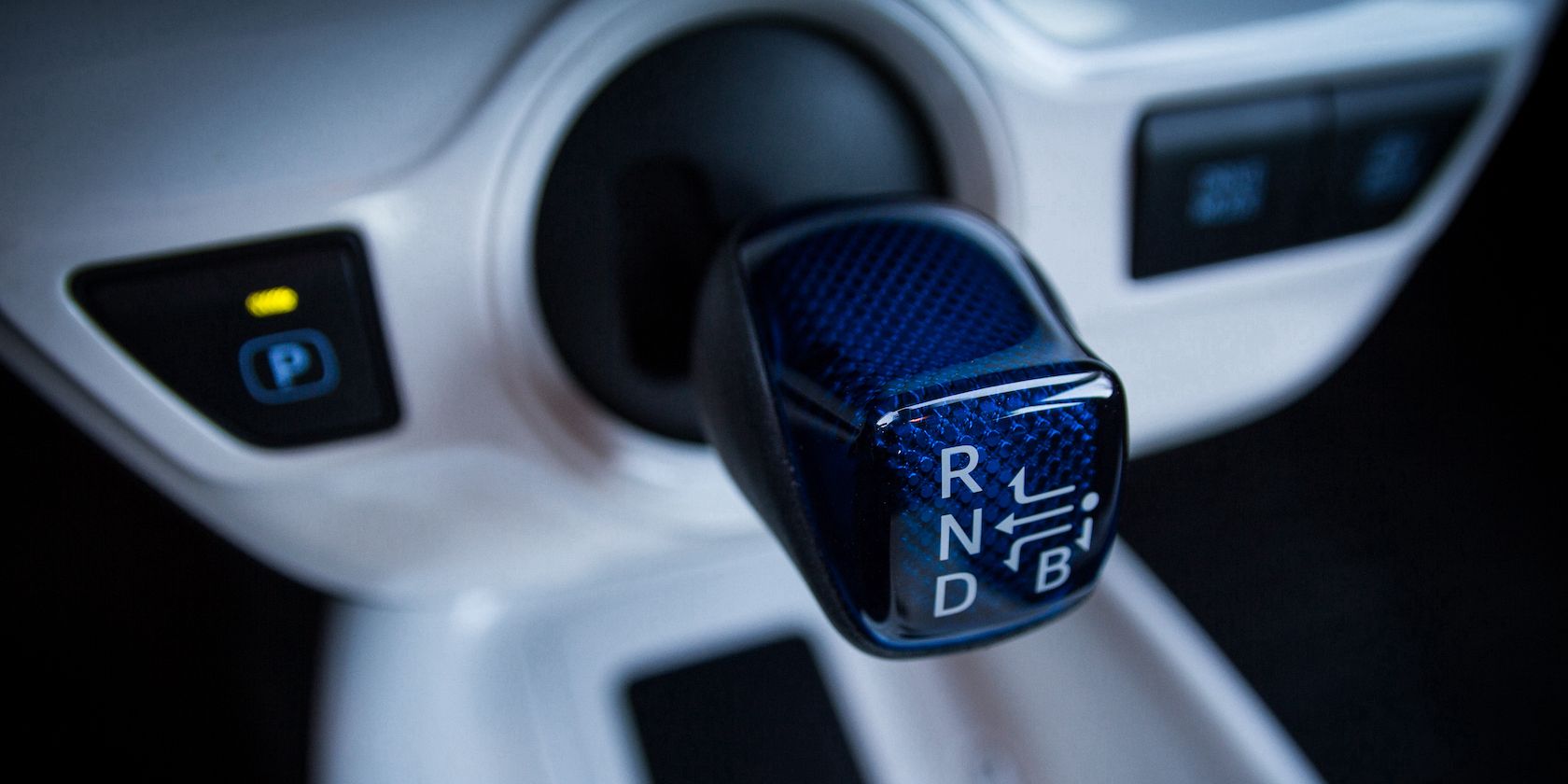
Engaging neutral in a hybrid vehicle is generally similar to engaging neutral in a conventional car, but there can be subtle differences depending on the specific make and model. Typically, you'll need to depress the brake pedal and then move the gear selector to the "N" position. The gear selector may be a traditional lever, a rotary dial, or even push buttons, depending on the car's design. Once you've shifted into neutral, you should feel the engine disengage from the wheels, and the car should be able to roll freely (although, as we've discussed, the regenerative braking system may still provide some resistance). It's important to note that some hybrids have a "shift lock" mechanism that prevents you from shifting out of park unless the brake pedal is depressed. This is a safety feature designed to prevent accidental acceleration. Additionally, some hybrids may have a "neutral hold" feature that allows you to keep the car in neutral even when you release the brake pedal. This can be useful in certain situations, such as waiting at a traffic light, but it's important to remember that the car can still roll if the road is not perfectly level. Always consult your owner's manual for specific instructions on how to engage neutral in your hybrid and any special features or considerations that apply to your vehicle. Practice shifting into neutral in a safe and controlled environment to familiarize yourself with the process before you need to use it in a real-world situation. And remember, safety always comes first.
What If You Tow Your Hybrid Incorrectly in Neutral?
Towing a hybrid incorrectly in neutral can lead to a cascade of problems, potentially resulting in significant damage and costly repairs. One of the most common consequences is overheating of the electric motor. As the wheels turn while being towed, the electric motor may be forced to generate electricity continuously, even if it's not designed to operate under those conditions. This can cause the motor to overheat, damaging its internal components and potentially leading to failure. Another potential issue is battery drain. The regenerative braking system may attempt to charge the battery during towing, but if the battery is already low or if the system is not functioning correctly, this can lead to excessive battery drain, leaving you stranded after the tow. Furthermore, improper towing can damage the drivetrain, including the transmission and other components. The forces exerted on these parts during towing can exceed their design limits, especially if the car is towed at high speeds or over rough terrain. In severe cases, improper towing can even damage the car's electronic control systems, leading to a range of malfunctions and requiring extensive repairs. The extent of the damage will depend on several factors, including the distance towed, the speed of towing, and the specific hybrid model. However, even a short tow can cause problems if the proper procedures are not followed. To avoid these potential issues, it's essential to always use a flatbed tow truck when possible and to consult your owner's manual for specific instructions on how to tow your hybrid safely. Remember, a little bit of prevention is worth a whole lot of cure when it comes to hybrid vehicles.
Listicle of Neutral Gear in Hybrids
Here's a quick listicle to summarize the key takeaways about using neutral gear in hybrids:
1.Neutral is Not Always Neutral: Unlike traditional cars, neutral in a hybrid often still engages the electric motor and regenerative braking.
2.Consult Your Manual: Your owner's manual is your best friend. It contains specific instructions for your hybrid model.
3.Towing Troubles: Improper towing in neutral can lead to overheating, battery drain, and drivetrain damage. Always prefer a flatbed tow truck.
4.Rolling Resistance: Avoid extended rolling in neutral due to potential activation of regenerative braking.
5.Battery Beware: Monitor battery temperature if you must use neutral for an extended period.
6.Safety First: When in doubt, seek professional assistance from a qualified hybrid mechanic or tow truck operator.
7.Maintenance Matters: Regular maintenance ensures all hybrid systems function correctly.
8.Myth Busting: Don't assume hybrid neutral works the same as in a gasoline car. They are different systems.
9.Regenerative Reality: Understand that regenerative braking can be active even in neutral.
10.Hidden Secrets: The owner's manual holds the key to safe neutral operation for your specific hybrid model.
By keeping these points in mind, you can use neutral in your hybrid safely and avoid potential problems. Remember, hybrids are complex machines, and understanding their nuances is crucial for ensuring their longevity and your safety.
Question and Answer About Neutral Gear in Hybrids
Q: Can I push my hybrid car in neutral if the battery is dead?
A: While you can technically push a hybrid in neutral, it's generally not recommended for long distances. The regenerative braking system might still be active, creating resistance and potentially damaging the electric motor. If you need to move your hybrid with a dead battery, it's best to call for professional assistance and have it towed using a flatbed truck.
Q: Is it okay to coast downhill in neutral in my hybrid to save fuel?
A: Coasting downhill in neutral is generally not recommended in any car, including hybrids. It can reduce your control over the vehicle and can be dangerous. In a hybrid, it can also prevent the regenerative braking system from recapturing energy, which actually reduces fuel efficiency. It's better to leave the car in drive and let the regenerative braking system do its job.
Q: My hybrid has a "neutral hold" feature. Is it safe to use it at stop lights?
A: The "neutral hold" feature can be convenient at stop lights, but it's important to be aware of its limitations. Even with neutral hold engaged, the car can still roll if the road is not perfectly level. Always keep your foot on the brake pedal to ensure the car remains stationary.
Q: How can I tell if my hybrid is being towed correctly?
A: The safest way to ensure your hybrid is being towed correctly is to use a flatbed tow truck. This ensures that the wheels are completely off the ground. If a flatbed is not available, ask the tow truck operator if they are familiar with hybrid vehicles and if they will follow the instructions in your owner's manual. You can also consult your owner's manual yourself to verify that the towing procedure is correct.
Conclusion of Neutral Gear in Hybrids
Understanding the nuances of neutral gear in your hybrid is crucial for maintaining its longevity and ensuring your safety. Remember that neutral in a hybrid is not the same as neutral in a traditional gasoline car, and the regenerative braking system can still be active, even when the engine is disengaged. Always consult your owner's manual for specific instructions and recommendations for your hybrid model, and avoid using neutral for extended periods of rolling or towing. When it comes to towing, a flatbed tow truck is always the safest option. By following these guidelines and staying informed about the unique characteristics of your hybrid vehicle, you can enjoy its benefits for years to come.