
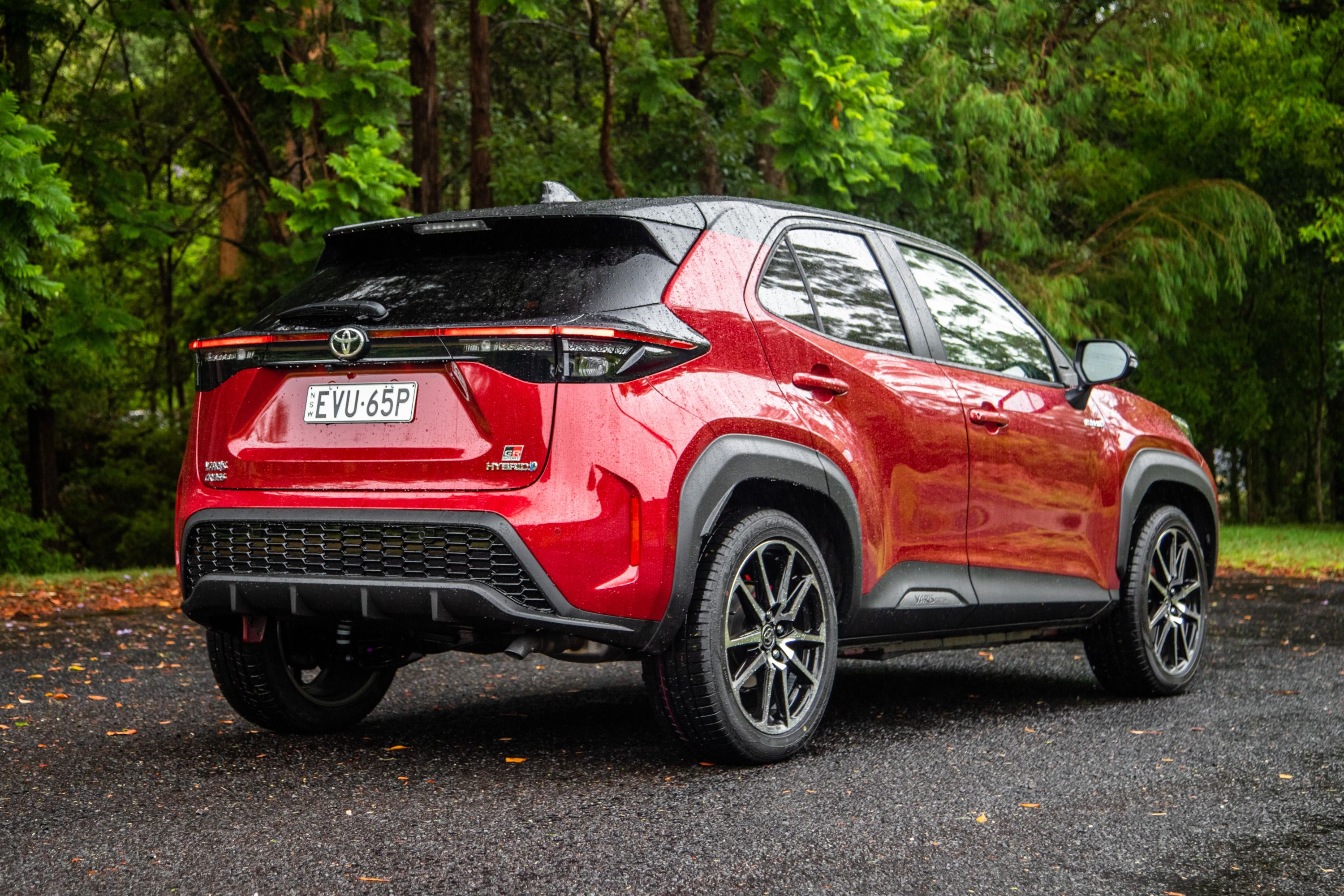
Ever dreamed of the raw power of a sports car without the guilt of emptying your wallet at the gas pump? It's a tantalizing thought, isn't it? That feeling of the open road, the responsive acceleration, but without the constant worry of your environmental impact. Well, that dream is closer to reality than you might think!
For years, enthusiasts have wrestled with the compromise: exhilarating performance versus responsible fuel consumption. The thrill of a roaring engine often came with the sting of frequent fill-ups and a nagging concern about emissions. Finding a balance seemed impossible, a trade-off we were forced to accept.
This article explores the exciting world of hybrid sports cars, a rapidly evolving segment of the automotive industry that aims to deliver the best of both worlds: heart-pounding performance and commendable fuel efficiency. We'll dive into what makes these vehicles tick, explore their benefits, uncover a few secrets, and hopefully, help you determine if a hybrid sports car is the right choice for your next ride.
Hybrid sports cars represent a fascinating intersection of technology and passion. They combine the traditional appeal of sports cars – speed, handling, and style – with the eco-conscious benefits of hybrid technology. This means enjoying spirited drives while minimizing your carbon footprint and saving money on fuel. We'll cover key aspects such as electric motor assist, regenerative braking, and the overall impact on performance and efficiency. Prepare to have your assumptions challenged and your horizons broadened!
My First Encounter: The Spark That Ignited My Hybrid Passion
It was a sunny Saturday morning when I first truly understood the appeal of a hybrid sports car. A friend had just taken delivery of a sleek, electric blue hybrid sports car, and he offered me a ride. I confess, I was skeptical. I'd always associated hybrids with sensible, albeit somewhat uninspiring, vehicles. But the moment he pressed the start button and the car hummed to life, my perception began to shift.
We took it out on some winding backroads, and the car truly shined. The instant torque from the electric motor provided exhilarating acceleration, seamlessly blending with the power of the gasoline engine. The handling was sharp and responsive, inspiring confidence with every turn. But what truly blew me away was the fuel economy. After a spirited drive, the fuel gauge barely budged. That day, I realized that hybrid technology wasn't just about saving the planet; it was about enhancing the driving experience.
This personal anecdote illustrates a key point: hybrid sports cars are more than just eco-friendly alternatives. They represent a technological leap forward, offering a unique blend of power, efficiency, and driving pleasure. These vehicles leverage the advantages of both electric and internal combustion engines to deliver performance that often surpasses traditional sports cars, while simultaneously reducing fuel consumption and emissions. The electric motor provides instant torque, boosting acceleration and responsiveness, while the gasoline engine ensures ample power for sustained high-speed driving. Regenerative braking captures energy that would otherwise be lost during deceleration, further enhancing efficiency. It's a win-win situation for both the driver and the environment.
Understanding the Hybrid Advantage
At its core, a hybrid sports car is a vehicle that utilizes two or more distinct power sources to propel it forward, typically an internal combustion engine (ICE) and one or more electric motors. The synergy between these power plants is carefully managed by a sophisticated computer system, optimizing performance and efficiency based on driving conditions. This isn't just about slapping an electric motor onto a gas-guzzler; it's about intelligently integrating the two systems to create a driving experience that's both exhilarating and environmentally responsible.
The electric motor assists the ICE during acceleration, providing a boost of instant torque that enhances responsiveness and reduces the load on the engine. This allows the engine to operate more efficiently, resulting in improved fuel economy and lower emissions. During braking, the electric motor acts as a generator, converting kinetic energy into electricity and storing it in the battery. This regenerative braking system not only helps to slow the car down but also replenishes the battery, further reducing the reliance on the ICE. Moreover, hybrid sports cars often incorporate advanced technologies such as active aerodynamics, lightweight materials, and optimized suspension systems to further enhance their performance and efficiency.
Debunking Myths and Exploring History
The idea of a hybrid sports car might seem like a recent invention, but the concept has been around for over a century. In fact, one of the earliest attempts at building a hybrid vehicle was developed in the late 19th century by Ferdinand Porsche! While that early model wasn't exactly a sports car in the modern sense, it laid the groundwork for the future integration of electric and gasoline power.
Despite the long history, misconceptions about hybrid sports cars persist. One common myth is that they are inherently slow or less engaging to drive than traditional sports cars. This couldn't be further from the truth. Many modern hybrid sports cars boast impressive acceleration figures and deliver a thrilling driving experience, thanks to the instant torque of the electric motor. Another misconception is that hybrid technology is unreliable or requires extensive maintenance. In reality, hybrid systems are generally quite robust and reliable, and many manufacturers offer extended warranties on their hybrid components. Moreover, the regenerative braking system can actually reduce wear on the conventional brakes, potentially leading to lower maintenance costs in the long run.
Unveiling Hidden Secrets
One of the best-kept secrets of hybrid sports cars is their ability to provide instant torque. Unlike traditional gasoline engines, which need to rev up to produce peak power, electric motors deliver maximum torque from a standstill. This gives hybrid sports cars a significant advantage in terms of acceleration and responsiveness, especially at lower speeds. It's a feeling that's hard to describe until you experience it firsthand – the feeling of being pushed back into your seat as the car leaps forward with electrifying speed.
Another hidden benefit is the potential for silent electric driving. Many hybrid sports cars offer an electric-only mode, allowing you to drive silently and emission-free for short distances. This is particularly useful in urban environments or when you want to avoid disturbing your neighbors early in the morning. Furthermore, the advanced computer systems that manage the hybrid powertrain often incorporate sophisticated algorithms to optimize performance and efficiency based on driving conditions. These algorithms can learn your driving style and adjust the power distribution between the electric motor and the gasoline engine to maximize fuel economy or performance, depending on your preferences. It's like having a personal driving coach that's constantly working to improve your driving experience.
Recommendations: Choosing the Right Hybrid Sports Car
The hybrid sports car market is constantly evolving, with new models and technologies emerging all the time. Some popular options include the Acura NSX, BMW i8, and Porsche Panamera E-Hybrid. Each of these vehicles offers a unique blend of performance, efficiency, and luxury, catering to different tastes and preferences. When choosing a hybrid sports car, it's important to consider your individual needs and priorities.
Do you prioritize raw performance and track-day capabilities? Or are you more interested in fuel efficiency and eco-friendliness? Consider factors such as horsepower, torque, acceleration, fuel economy, range, and charging infrastructure (if applicable). It's also important to research the reliability and maintenance costs of different models. Read reviews from reputable sources and talk to other hybrid sports car owners to get their insights and experiences. Finally, don't be afraid to test drive several different models to see which one feels best for you. The right hybrid sports car should not only meet your practical needs but also ignite your passion for driving.
The Future of Hybrid Sports Car Technology
The future of hybrid sports car technology is incredibly bright, with advancements happening at an accelerating pace. We can expect to see even more powerful and efficient hybrid powertrains, lighter and stronger materials, and more sophisticated control systems. Solid-state batteries, for example, promise to offer significantly higher energy density and faster charging times, potentially extending the range and performance of electric motors. Advanced driver-assistance systems (ADAS) will also become more prevalent, enhancing safety and convenience. These systems can include features such as adaptive cruise control, lane-keeping assist, and automatic emergency braking. Furthermore, we can expect to see greater integration of artificial intelligence (AI) to optimize performance and efficiency in real-time, based on driving conditions and driver preferences.
The convergence of these technologies will result in hybrid sports cars that are not only faster and more efficient but also safer and more enjoyable to drive. They will seamlessly blend the thrill of traditional sports cars with the environmental responsibility of hybrid technology, appealing to a broader range of drivers. The industry is also exploring new and innovative hybrid architectures, such as plug-in hybrids with larger battery packs that offer extended electric-only range. These plug-in hybrids can be charged from an external power source, further reducing reliance on gasoline and emissions. In addition, research is underway to develop synthetic fuels that can be used in internal combustion engines with minimal environmental impact, potentially offering a carbon-neutral solution for hybrid sports cars in the future.
Tips for Maximizing Performance and Efficiency
One of the key tips for maximizing the performance and efficiency of a hybrid sports car is to understand how the hybrid powertrain works. Familiarize yourself with the different driving modes (e.g., electric-only, hybrid, sport) and learn how to select the appropriate mode for different driving conditions. For example, use electric-only mode for short trips in urban environments and switch to hybrid mode for longer highway drives. Experiment with different driving styles to see how they affect fuel economy and performance. Avoid aggressive acceleration and braking, which can drain the battery and reduce fuel efficiency.
Another important tip is to properly maintain your hybrid sports car. Follow the manufacturer's recommended maintenance schedule and pay attention to the health of the battery. Regular battery checks can help to identify potential problems early on and prevent costly repairs. Also, consider investing in a charger if you own a plug-in hybrid. Charging the battery regularly will allow you to maximize the use of electric power and reduce your reliance on gasoline. Finally, be aware of the impact of environmental factors on performance and efficiency. Extreme temperatures can affect battery performance, so try to park your car in a shaded area during hot weather and pre-condition the cabin before driving in cold weather. By following these tips, you can ensure that your hybrid sports car continues to deliver optimal performance and efficiency for years to come.
Understanding Regenerative Braking in Detail
Regenerative braking is a crucial component of hybrid sports car technology, playing a significant role in both energy efficiency and overall performance. Unlike conventional braking systems that convert kinetic energy into heat through friction, regenerative braking harnesses the electric motor to act as a generator during deceleration. This process captures the kinetic energy that would otherwise be wasted and converts it into electricity, which is then stored in the battery for later use.
The effectiveness of regenerative braking can vary depending on the driving conditions and the hybrid system's design. Some hybrid systems allow for adjustable levels of regenerative braking, allowing the driver to customize the deceleration force and the amount of energy recovered. In some cases, the regenerative braking force may be strong enough to bring the car to a complete stop without using the conventional brakes. Regenerative braking not only enhances fuel efficiency but also reduces wear and tear on the conventional brakes, potentially extending their lifespan. The feel of regenerative braking can differ from conventional braking, often described as a more progressive and smooth deceleration. As hybrid technology advances, we can expect to see even more sophisticated regenerative braking systems that further optimize energy recovery and provide a more seamless and intuitive driving experience.
Fun Facts About Hybrid Sports Cars
Did you know that some hybrid sports cars can accelerate from 0 to 60 mph in under 3 seconds? That's faster than many traditional sports cars! Or that some hybrid sports cars offer over 600 horsepower? These incredible performance figures demonstrate the potential of hybrid technology to deliver exhilarating driving experiences.
Another fun fact is that some hybrid sports cars can operate in electric-only mode for significant distances, allowing you to drive silently and emission-free in urban environments. Furthermore, some manufacturers are experimenting with innovative features such as solar panels on the roof to help recharge the battery. Hybrid sports cars are not only technologically advanced but also stylish and aesthetically pleasing. Many models feature sleek designs and luxurious interiors, appealing to drivers who appreciate both performance and comfort. The combination of cutting-edge technology, impressive performance, and stylish design makes hybrid sports cars a truly unique and exciting segment of the automotive industry.
How to Choose the Right Hybrid Sports Car for You
Choosing the right hybrid sports car for you requires careful consideration of your individual needs, preferences, and driving habits. Start by defining your priorities. Are you primarily interested in performance, fuel efficiency, or a combination of both? Consider how you plan to use the car. Will it be a daily driver, a weekend toy, or a track-day machine? Think about your budget and how much you're willing to spend on a hybrid sports car. Research different models and compare their specifications, features, and prices.
Read reviews from reputable sources and talk to other hybrid sports car owners to get their insights and experiences. Don't be afraid to ask questions and seek advice from experts. Once you've narrowed down your options, schedule test drives at different dealerships. Pay attention to the car's handling, acceleration, braking, and overall driving feel. Evaluate the comfort and convenience features of the interior. Consider the availability of charging infrastructure if you're interested in a plug-in hybrid. Finally, make sure to factor in maintenance costs, insurance rates, and resale value when making your decision. By following these steps, you can increase the likelihood of finding a hybrid sports car that meets your needs and exceeds your expectations.
What if Every Sports Car Was a Hybrid?
Imagine a world where every sports car was a hybrid. The air would be cleaner, the roads would be quieter, and the overall impact on the environment would be significantly reduced. Hybrid technology would become the norm, not the exception, driving innovation and pushing the boundaries of what's possible. Sports car enthusiasts could enjoy the thrill of high-performance driving without the guilt of contributing to air pollution and climate change. The automotive industry would become more sustainable and responsible, aligning with the growing global awareness of environmental issues.
The transition to an all-hybrid sports car market would require significant investment in research and development, manufacturing infrastructure, and charging infrastructure. However, the long-term benefits would outweigh the costs. The increased demand for hybrid technology would drive down prices and make it more accessible to a wider range of drivers. The focus on efficiency and sustainability would lead to the development of new technologies and materials, further improving the performance and environmental impact of sports cars. The transition to an all-hybrid sports car market would represent a significant step towards a more sustainable and responsible future for the automotive industry and the planet.
Top 5 Hybrid Sports Cars to Watch
Here's a quick list of five hybrid sports cars that are making waves in the automotive industry:
- Acura NSX: A groundbreaking hybrid supercar that combines a twin-turbo V6 engine with three electric motors for blistering performance.
- BMW i8: A futuristic-looking plug-in hybrid sports car with a carbon fiber body and a sophisticated hybrid powertrain.
- Porsche Panamera E-Hybrid: A luxurious and powerful sedan that offers a blend of performance and efficiency, thanks to its plug-in hybrid system.
- Ferrari 296 GTB: A plug-in hybrid supercar with a V6 engine and electric motor that delivers impressive performance and a thrilling driving experience.
- Mc Laren Artura: A high-performance hybrid supercar with a lightweight design and a potent hybrid powertrain.
These are just a few examples of the many exciting hybrid sports cars that are currently available or in development. As technology continues to evolve, we can expect to see even more innovative and compelling hybrid sports cars in the years to come.
Question and Answer
Q: Are hybrid sports cars as fast as traditional sports cars?
A: In many cases, yes! The instant torque from the electric motor often provides quicker acceleration than traditional gasoline engines, leading to comparable or even faster 0-60 mph times.
Q: Are hybrid sports cars expensive to maintain?
A: Not necessarily. While hybrid components can be costly to repair or replace, regenerative braking can reduce wear on traditional brakes, potentially offsetting some of those costs. Also, hybrid systems are generally reliable.
Q: Do hybrid sports cars have good fuel economy?
A: Absolutely! Hybrid systems are designed to maximize fuel efficiency, often resulting in significantly better gas mileage compared to traditional sports cars.
Q: Are there plug-in hybrid sports cars?
A: Yes, and they offer even greater fuel efficiency and the ability to drive solely on electric power for a limited range, making them ideal for short commutes.
Conclusion of Hybrid Sports Cars: Blending Performance with Fuel Efficiency
The world of hybrid sports cars represents an exciting fusion of performance and sustainability. These vehicles demonstrate that it's possible to enjoy the thrill of driving a sports car without sacrificing fuel efficiency or contributing to environmental concerns. As technology continues to advance, we can expect to see even more innovative and compelling hybrid sports cars in the future, further blurring the lines between performance and responsibility. Whether you're a seasoned sports car enthusiast or simply someone who appreciates cutting-edge technology, the world of hybrid sports cars has something to offer everyone. So, the next time you're in the market for a new car, consider taking a closer look at the exciting world of hybrid sports cars. You might just be surprised by what you discover.