
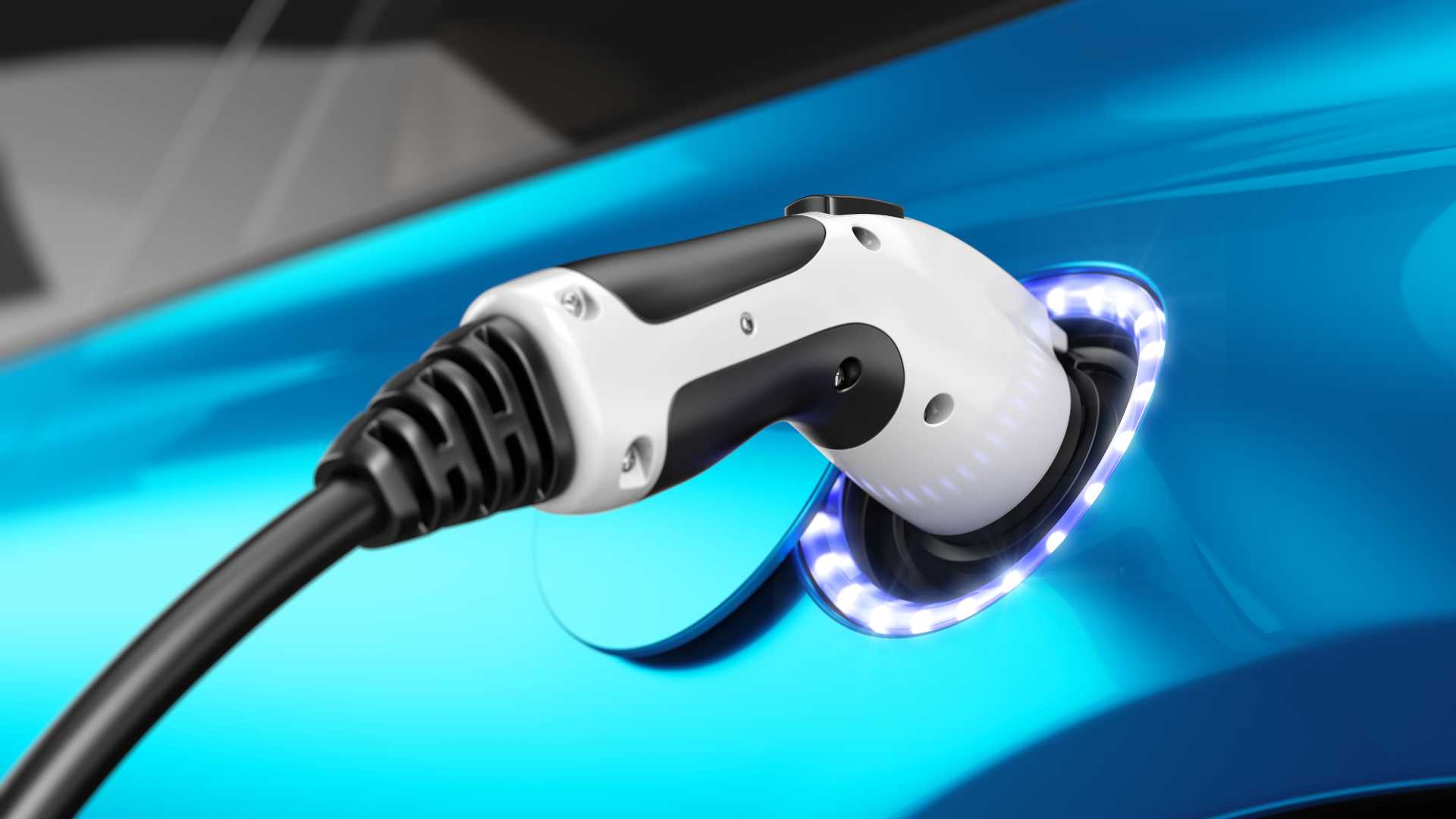
Picture this: you're cruising down the road in your hybrid, feeling good about saving gas and reducing your carbon footprint. Suddenly, the battery indicator light blinks ominously. You're nowhere near a charging station. Panic starts to set in. Is your eco-friendly ride about to become a very inconvenient brick?
The convenience of hybrid vehicles is undeniable, but the reliance on battery power can sometimes lead to moments of anxiety. Finding yourself with a low battery and no immediate access to a charging station can feel like a major setback, undermining the freedom and flexibility you expected from your hybrid.
While hybrids are designed to primarily charge through regenerative braking and the internal combustion engine, situations may arise where you need a boost without a dedicated charging point. This article explores alternative methods for charging a hybrid battery without a charging station, providing you with the knowledge and options to keep your hybrid moving.
This exploration covers the basics of how hybrid batteries charge, the limitations of relying solely on regenerative braking, and realistic alternative options. We'll delve into the potential of portable chargers, explore the role of a healthy engine, and discuss best practices for maximizing your hybrid's efficiency. Understanding these techniques can empower you to manage your hybrid's battery life effectively, ensuring you're never left stranded. The goal is to arm hybrid owners with the tools and strategies for managing battery life and staying mobile, even without access to charging stations. Keep reading to learn more about charging hybrid batteries without a charging station!
Understanding Hybrid Battery Charging
It's funny, I remember the first time my friend Sarah bought a hybrid. She was so excited about the gas mileage, but she lived in an apartment complex with zero charging options. She genuinely believed she'donlyneed to plug it in. One afternoon, she calls me, practically in tears, saying her car wouldn't start and the battery light was on. After a little troubleshooting, we figured out the hybrid battery was nearly drained because she only did short trips and wasn't giving the regenerative braking system enough opportunities to recharge it. She'd been relying on the assumption thatallhybrids could run indefinitely without any outside charging needed. It was a harsh lesson in understanding the nuances of hybrid technology.
The key to understanding alternative charging methods is recognizing that hybrid batteries primarily rely on two charging mechanisms: regenerative braking and the internal combustion engine. Regenerative braking converts kinetic energy into electrical energy during deceleration, sending power back to the battery. The engine also charges the battery, especially during periods of higher demand or when the battery level is low. Therefore, simply driving the car – especially on longer trips with ample opportunities for braking – can significantly replenish the battery. However, if your driving is primarily stop-and-go traffic or short distances, regenerative braking might not be sufficient to maintain an optimal charge level. This is where supplemental charging methods, even without a dedicated charging station, become valuable.
Exploring Portable Power Options
There's a common myth that hybrids are entirely self-sufficient when it comes to battery charging. This stems from the fact that theycancharge themselves through regenerative braking and the engine. However, this doesn't mean the battery will always be at an optimal level. Think of it like a cellphone that only charges when you're actively using it. Eventually, it's going to run low, right? Similarly, a hybrid battery, especially in specific driving conditions, might need an extra boost. The myth perpetuates the idea that owners can completely ignore the battery's state of charge, leading to situations where they're caught off guard with a low battery and no immediate charging options available.
Portable power options offer a lifeline when traditional charging stations are unavailable. These solutions range from portable power banks designed specifically for hybrid batteries to using a standard household outlet (with the appropriate adapter) to trickle-charge the battery. While these methods won't provide a full charge as quickly as a dedicated charging station, they can offer a crucial boost to get you back on the road. The key is to research and invest in a reputable portable charger that is compatible with your hybrid vehicle's battery specifications. Additionally, understanding how to safely and effectively use these portable options is crucial to prevent damage to your battery or vehicle's electrical system. Remember, consulting your owner's manual and seeking professional advice when in doubt is always recommended.
The Hidden Secret: Engine Health and Efficiency
The hidden secret to maintaining a healthy hybrid battery charge often lies in the overall health and efficiency of the internal combustion engine. Many hybrid owners focus solely on the battery itself, overlooking the crucial role the engine plays in supplementing its charge. A poorly maintained engine, with issues like clogged air filters, worn spark plugs, or outdated fluids, will operate less efficiently, requiring more energy to perform the same tasks. This increased energy consumption puts additional strain on the battery, diminishing its overall charge capacity and longevity. Essentially, a struggling engine is like a drain on the battery's resources.
Therefore, prioritizing regular engine maintenance is essential for optimizing hybrid battery performance. This includes following the manufacturer's recommended maintenance schedule, ensuring timely oil changes, replacing air and fuel filters, and keeping the engine's cooling system in good working order. By addressing these engine-related issues, you not only improve fuel economy but also alleviate the burden on the battery, allowing it to maintain a higher state of charge for longer periods. Remember, a healthy engine is a happy battery, and a happy battery translates to a more reliable and efficient hybrid driving experience. Neglecting engine maintenance can lead to a domino effect, ultimately impacting battery life and overall vehicle performance.
Recommendations for Hybrid Battery Health
My top recommendation for anyone owning a hybrid is to proactively monitor your battery's health. Most hybrids have built-in systems that display the battery's charge level and overall condition. Pay attention to these indicators and take note of any unusual fluctuations or warnings. If you notice the battery draining faster than usual, or if you're constantly relying on the engine to provide power, it's a sign that something might be amiss.
Consider investing in a diagnostic tool that can provide more detailed information about your battery's performance. These tools can help you identify potential problems early on, allowing you to address them before they escalate into more serious and costly repairs. Also, be mindful of your driving habits. Avoid aggressive acceleration and braking, as these actions put extra strain on both the engine and the battery. Practice smooth, consistent driving to maximize regenerative braking and optimize fuel efficiency. Finally, if you live in an area with extreme temperatures, consider parking your hybrid in a garage or shaded area to protect the battery from excessive heat or cold. These simple steps can significantly extend the life of your hybrid battery and reduce the need for alternative charging methods.
Maximizing Regenerative Braking
To delve deeper into maximizing regenerative braking, consider the following scenario: You're approaching a red light. Instead of slamming on the brakes at the last minute, try easing off the accelerator gradually and allowing the car to coast. This gentle deceleration engages the regenerative braking system more effectively, converting more of the car's kinetic energy into electrical energy and sending it back to the battery. It's like giving the battery a little sip of energy each time you slow down. Conversely, hard braking minimizes the amount of energy that can be recaptured, wasting potential charging opportunities. Similarly, when driving downhill, use the "B" (Brake) mode, if your hybrid has one. This mode increases the level of regenerative braking, allowing you to capture even more energy as you descend.
Another often-overlooked aspect is tire pressure. Properly inflated tires reduce rolling resistance, making it easier for the car to coast and engage regenerative braking. Underinflated tires, on the other hand, increase rolling resistance, requiring more energy to maintain speed and reducing the effectiveness of regenerative braking. So, regularly check your tire pressure and ensure they are inflated to the manufacturer's recommended specifications. Finally, be mindful of the terrain. Regenerative braking is most effective on gradual slopes and smooth surfaces. On steep hills or rough roads, the system might not be able to capture as much energy. Adapting your driving style to these conditions can help you optimize regenerative braking and maximize battery charging.
Hybrid Driving Tips for Battery Health
The way you drive your hybrid has a direct impact on the health and longevity of the battery. Aggressive driving habits, such as rapid acceleration and hard braking, can deplete the battery quickly and put unnecessary strain on its components. Smooth, consistent driving, on the other hand, maximizes the efficiency of the regenerative braking system and allows the battery to maintain a healthy charge level. Imagine it like this: aggressive driving is like sprinting, burning through energy reserves quickly. Smooth driving is like jogging, conserving energy and allowing you to go the distance.
Avoid letting your hybrid sit idle for extended periods, especially with a low battery. If you know you won't be driving your car for several weeks, consider plugging it into a charger (if possible) or starting the engine periodically to allow it to recharge the battery. This prevents the battery from self-discharging and potentially damaging its cells. Also, be mindful of the climate. Extreme temperatures can negatively impact battery performance. In hot weather, try to park your car in the shade or in a garage to prevent the battery from overheating. In cold weather, allow the engine to warm up properly before driving to ensure optimal battery function. By adopting these simple driving and maintenance habits, you can significantly extend the life of your hybrid battery and reduce the likelihood of needing alternative charging methods.
Understanding Battery Management Systems (BMS)
The Battery Management System (BMS) is the unsung hero of your hybrid's battery. It's a sophisticated electronic system that constantly monitors and regulates various aspects of the battery's performance, ensuring its safety, efficiency, and longevity. Think of it as the battery's brain, constantly working behind the scenes to optimize its operation. The BMS tracks parameters such as voltage, current, temperature, and state of charge (SOC), and uses this information to make intelligent decisions about charging, discharging, and overall battery health. For example, it prevents overcharging, which can damage the battery cells, and it also protects against excessive discharging, which can reduce the battery's lifespan.
Furthermore, the BMS plays a crucial role in balancing the charge levels of individual battery cells. In a hybrid battery pack, there are often hundreds of individual cells connected in series and parallel. Over time, these cells can develop slight differences in their capacity and performance. The BMS actively monitors these differences and redistributes charge to ensure that all cells are operating at their optimal level. This balancing process not only maximizes the battery's overall capacity but also prevents individual cells from becoming overstressed or damaged. Understanding the importance of the BMS can help you appreciate the complexity of hybrid battery technology and the vital role it plays in maintaining its performance and reliability.
Fun Facts About Hybrid Batteries
Did you know that the batteries in many hybrid cars are designed to last for the entire lifespan of the vehicle? While this isn't always the case, manufacturers are constantly improving battery technology to increase their durability and longevity. Some hybrid batteries are even designed to be recycled at the end of their life, minimizing their environmental impact. Speaking of environmental impact, hybrid cars are significantly more fuel-efficient than traditional gasoline-powered vehicles, reducing greenhouse gas emissions and conserving valuable resources.
Another fun fact is that the regenerative braking system in a hybrid car can recover up to 70% of the energy that would otherwise be lost during braking. This recovered energy is then used to recharge the battery, making hybrids incredibly efficient in stop-and-go traffic. Also, the batteries used in hybrid cars are not the same as the batteries you find in your smartphone or laptop. They are typically made of nickel-metal hydride (Ni MH) or lithium-ion (Li-ion) and are designed to withstand the harsh conditions of automotive use. Finally, some hybrid cars can even operate in electric-only mode for short distances, allowing you to drive silently and emission-free in certain situations. These fun facts highlight the innovative technology and environmental benefits that make hybrid cars a compelling choice for eco-conscious drivers.
How to Extend Your Hybrid Battery Life
Extending the lifespan of your hybrid battery is all about proactive maintenance and mindful driving habits. Regular inspections are key. Schedule periodic check-ups with a qualified mechanic who specializes in hybrid vehicles. They can assess the overall health of your battery, identify any potential problems, and recommend necessary repairs or replacements. Don't neglect the cooling system! Hybrid batteries generate heat, and a properly functioning cooling system is essential to prevent overheating and premature degradation. Ensure that the cooling system is regularly serviced and that the coolant levels are adequate.
Consider a battery reconditioning service. As hybrid batteries age, they can lose some of their capacity and performance. A battery reconditioning service can help to restore some of that lost capacity by rebalancing the cells and removing any accumulated sulfation. Be mindful of parasitic drain. Avoid leaving accessories like lights or electronics plugged in when the car is not in use, as these can drain the battery even when the engine is off. Park strategically. Extreme temperatures can negatively impact battery life. When possible, park your car in a shaded area or in a garage to protect the battery from excessive heat or cold. By following these tips, you can significantly extend the life of your hybrid battery and enjoy years of trouble-free driving.
What if My Hybrid Battery Dies Completely?
If your hybrid battery dies completely, it's not the end of the world, but it's definitely a situation that requires immediate attention. The first thing you should do is consult your owner's manual for specific instructions on what to do in this situation. Many hybrids have a "jump-start" procedure similar to that of a traditional gasoline-powered car. However, it's crucial to follow the manufacturer's instructions carefully to avoid damaging the hybrid system. If you're not comfortable performing the jump-start yourself, it's best to call a professional towing service or a qualified mechanic who specializes in hybrid vehicles.
In some cases, a completely dead hybrid battery may need to be replaced. Hybrid battery replacement can be a significant expense, but it's often necessary to restore the car to its proper operating condition. Before replacing the battery, it's essential to have it properly diagnosed by a qualified technician to ensure that the battery is indeed the cause of the problem. There may be other underlying issues that are contributing to the battery failure. Once the battery is replaced, it's important to follow the manufacturer's recommendations for proper break-in and maintenance to ensure its longevity. Remember, a completely dead hybrid battery doesn't necessarily mean the end of your car. With proper diagnosis and repair, you can often get your hybrid back on the road and enjoy its fuel-efficient performance for many years to come.
Listicle: Top 5 Ways to Conserve Hybrid Battery Power
Here are five practical tips to conserve your hybrid battery power and maximize its lifespan:
- Drive Smoothly: Avoid aggressive acceleration and hard braking. Smooth, consistent driving maximizes regenerative braking and conserves battery power.
- Limit Accessory Use: Minimize the use of power-hungry accessories like air conditioning, heated seats, and high-volume audio systems, especially during short trips.
- Maintain Proper Tire Pressure: Underinflated tires increase rolling resistance and drain battery power. Keep your tires properly inflated to the manufacturer's recommended specifications.
- Park Smartly: Park in shaded areas or garages to protect the battery from extreme temperatures, which can negatively impact its performance.
- Regular Maintenance: Schedule regular maintenance appointments with a qualified mechanic who specializes in hybrid vehicles to ensure that all systems are functioning optimally.
By following these simple tips, you can conserve your hybrid battery power, extend its lifespan, and enjoy the full benefits of hybrid vehicle ownership.
Question and Answer about Charging a Hybrid Battery Without a Charging Station: Alternative Methods
Q: Can I use a regular car battery charger to charge my hybrid battery?
A: No, you should never use a regular car battery charger to charge your hybrid battery. Hybrid batteries operate at much higher voltages than traditional car batteries, and using the wrong type of charger can damage the battery or even cause a fire.
Q: How often should I have my hybrid battery checked?
A: It's recommended to have your hybrid battery checked at least once a year by a qualified mechanic who specializes in hybrid vehicles. They can assess the overall health of the battery and identify any potential problems.
Q: Can extreme temperatures affect my hybrid battery?
A: Yes, extreme temperatures can negatively impact hybrid battery performance. Hot weather can cause the battery to overheat and degrade, while cold weather can reduce its capacity and efficiency.
Q: Is it possible to replace individual cells in a hybrid battery pack?
A: While it is technically possible to replace individual cells in a hybrid battery pack, it's generally not recommended. Replacing individual cells can be complex and requires specialized equipment and expertise. It's often more cost-effective and reliable to replace the entire battery pack.
Conclusion of Charging a Hybrid Battery Without a Charging Station: Alternative Methods
While dedicated charging stations are ideal for replenishing a hybrid battery, the information presented demonstrates that it's entirely possible to manage and even augment the charge without relying solely on them. By understanding the regenerative braking system, maintaining a healthy engine, and exploring portable power options, hybrid owners can navigate situations where charging stations are unavailable. Proactive monitoring, smart driving habits, and regular maintenance contribute significantly to battery longevity and overall vehicle efficiency. So, while planning your routes with charging stations in mind is always a good idea, know that you have alternative strategies to keep your hybrid moving and your eco-friendly journey on track.