
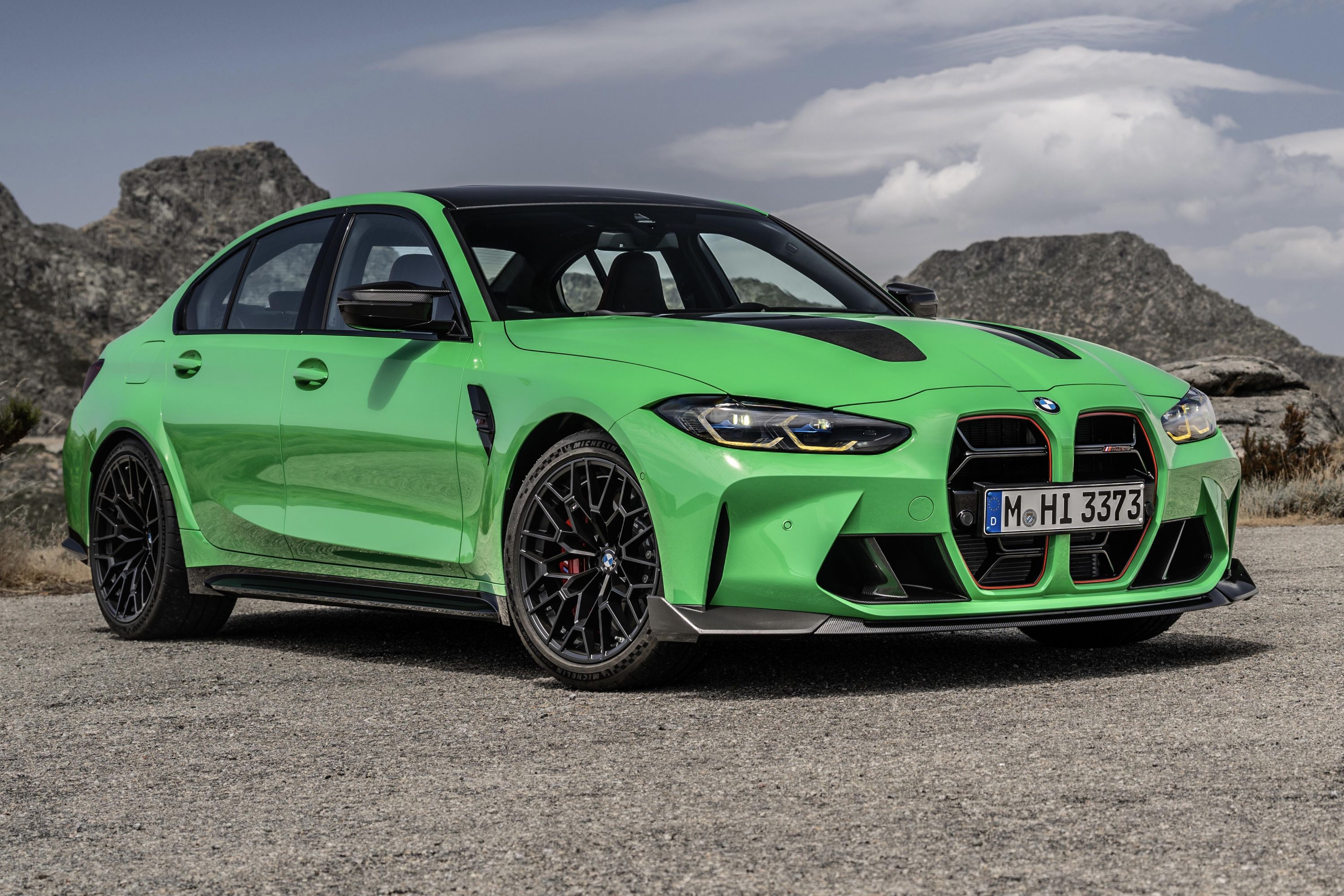
Ever felt that tug-of-war between wanting a thrilling BMW driving experience and a desire to be kinder to the planet? You're not alone. Many drivers crave performance without the guilt of excessive emissions, and that's where BMW's hybrid lineup steps into the spotlight.
Navigating the world of hybrid vehicles can feel overwhelming. From understanding different hybrid technologies to deciphering complex model names and specifications, the path to finding the perfect blend of efficiency and performance can seem long and confusing. It's about more than just fuel economy; it's about finding a vehicle that aligns with your lifestyle and driving needs, all while contributing to a more sustainable future.
This blog post is your comprehensive guide to the current BMW hybrid car lineup. We'll explore the available models, dissect their key features, and help you determine which hybrid BMW best suits your needs. Whether you're a seasoned BMW enthusiast or just beginning your journey into the world of hybrid vehicles, we're here to provide you with the information you need to make an informed decision.
We'll delve into the heart of BMW's hybrid offerings, examining models like the 330e, 530e, X3 x Drive30e, X5 x Drive45e (and its successor), and the luxurious 745e (depending on the model year). We'll break down their electric ranges, engine specifications, and highlight the technology that makes them both efficient and fun to drive. Get ready to discover the perfect balance of performance and sustainability in the BMW hybrid car lineup.
Understanding the BMW Hybrid Lineup: An Overview
This section is designed to provide a clear and concise overview of the current BMW hybrid lineup, its features, and its target audience. We aim to demystify the complexities of hybrid technology and help you understand the benefits and trade-offs of each model.
I remember the first time I saw a BMW i8. It was unlike anything else on the road – futuristic, sporty, and undeniably BMW. While the i8 was a plug-in hybrid sports car that has since ceased production, it sparked my interest in BMW's commitment to electrification. It demonstrated that hybrid technology could be seamlessly integrated with performance and style. That experience really opened my eyes to the possibilities of hybrid vehicles and made me want to learn more about BMW's broader hybrid strategy.
Today, BMW offers a range of plug-in hybrid electric vehicles (PHEVs) that combine a traditional combustion engine with an electric motor and a battery pack. These vehicles can be driven on electric power alone for a certain range, reducing emissions and fuel consumption, and then switch to the gasoline engine when the battery is depleted. The beauty of a PHEV is that it offers the best of both worlds: the convenience of a gasoline engine for long journeys and the efficiency of an electric motor for daily commutes.
The current BMW hybrid lineup typically includes models like the 330e, a sporty sedan that offers a blend of performance and efficiency; the 530e, a mid-size luxury sedan with a comfortable ride and advanced technology; the X3 x Drive30e, a compact SUV that provides ample space and versatility; and the X5 x Drive45e (and newer models), a larger SUV with a powerful engine and a long electric range. Each model caters to a different lifestyle and driving needs, making it essential to understand the specific features and capabilities of each one.
When choosing a hybrid BMW, consider factors like your daily commute, the availability of charging infrastructure, and your overall driving style. If you primarily drive short distances and have access to a charger at home or work, a PHEV can significantly reduce your fuel consumption and emissions. However, if you frequently take long road trips, the gasoline engine will provide peace of mind and eliminate range anxiety. Ultimately, the best hybrid BMW for you will depend on your individual needs and preferences.
What is a BMW Hybrid?
This section will define what a BMW Hybrid car is, its key components and how it works. It will provide a clear understanding of the technology behind these vehicles and their benefits.
A BMW hybrid car, in its simplest form, combines a traditional gasoline engine with an electric motor and a battery pack. Unlike a fully electric vehicle (EV), a hybrid doesn't rely solely on electric power. Instead, it uses the electric motor to assist the gasoline engine, improving fuel efficiency and reducing emissions. The battery pack is typically charged through regenerative braking, where the kinetic energy produced during braking is converted into electricity and stored in the battery.
There are different types of hybrid systems, but BMW primarily focuses on plug-in hybrid electric vehicles (PHEVs). These PHEVs offer the ability to plug into an external power source and recharge the battery, allowing for a longer electric driving range compared to traditional hybrids. When the battery is fully charged, the vehicle can operate solely on electric power for a certain distance, making it ideal for short commutes and city driving. Once the battery is depleted, the gasoline engine seamlessly kicks in, providing the convenience and range of a traditional car.
Key components of a BMW hybrid system include the gasoline engine, the electric motor, the battery pack, and the power electronics that control the flow of energy between these components. The electric motor provides additional power to the wheels, assisting the gasoline engine during acceleration and reducing its workload. The battery pack stores the electric energy and provides power to the electric motor. The power electronics manage the charging and discharging of the battery, as well as the coordination between the gasoline engine and the electric motor.
The benefits of driving a BMW hybrid are numerous. Firstly, they offer improved fuel efficiency compared to traditional gasoline-powered cars. Secondly, they produce lower emissions, contributing to a cleaner environment. Thirdly, they provide a smooth and quiet driving experience, especially when operating in electric mode. And fourthly, they offer the flexibility of a gasoline engine for long journeys, eliminating range anxiety. BMW hybrid cars represent a compelling option for drivers who want to reduce their environmental impact without sacrificing performance and luxury.
History and Evolution of BMW Hybrids
Here, we will trace the history of BMW's entry into the hybrid market, highlighting significant milestones and the evolution of their technology over time. This will give readers context for the current lineup.
BMW's journey into the world of hybrid technology began in the late 2000s, driven by a growing awareness of environmental concerns and a desire to reduce reliance on fossil fuels. The company's initial foray into hybridization was marked by the introduction of mild-hybrid systems, which primarily focused on improving fuel efficiency through features like regenerative braking and start-stop technology. These early systems laid the groundwork for more advanced hybrid solutions.
A significant milestone in BMW's hybrid evolution was the introduction of the Active Hybrid 7 in 2009. This model combined a gasoline engine with an electric motor to deliver enhanced performance and fuel economy. While not a plug-in hybrid, the Active Hybrid 7 demonstrated BMW's commitment to exploring different hybrid architectures and refining their technology.
The launch of the BMW i8 in 2014 marked a turning point in BMW's hybrid strategy. The i8 was a revolutionary plug-in hybrid sports car that showcased the potential of electrification. Its striking design, lightweight construction, and powerful hybrid powertrain captivated the automotive world and solidified BMW's position as a leader in hybrid technology. The i8 not only delivered exceptional performance but also demonstrated that hybrid vehicles could be exciting and desirable.
In recent years, BMW has focused on expanding its plug-in hybrid lineup, offering a range of PHEV models across its various model lines. These PHEVs combine the benefits of electric driving with the convenience of a gasoline engine, providing a versatile and practical solution for everyday use. BMW's ongoing commitment to innovation and sustainability has led to significant advancements in battery technology, electric motor performance, and overall hybrid system efficiency. Today, BMW's hybrid lineup represents a compelling blend of performance, efficiency, and luxury, catering to a wide range of drivers who seek to reduce their environmental impact without compromising on driving pleasure.
Hidden Secrets and Lesser-Known Facts About BMW Hybrids
This section will reveal some interesting and perhaps surprising facts about BMW's hybrid technology and models that the average consumer may not know.
While BMW's hybrid cars are known for their performance and efficiency, there are some hidden secrets and lesser-known facts that add to their intrigue. For example, many people are unaware that BMW's hybrid systems utilize advanced energy management strategies to optimize fuel consumption and extend electric driving range. These strategies include predictive energy management, which uses navigation data to anticipate upcoming road conditions and adjust the hybrid system accordingly.
Another lesser-known fact is that BMW's hybrid models often feature a "MAX e Drive" mode, which allows the vehicle to operate solely on electric power up to a certain speed. This mode is perfect for navigating city streets and reducing emissions in urban environments. Additionally, BMW's hybrid systems incorporate a "Battery Control" mode, which allows the driver to maintain a certain level of battery charge for later use. This feature is particularly useful for drivers who want to save electric power for specific parts of their journey, such as entering a zero-emission zone.
Furthermore, BMW's hybrid cars are designed to seamlessly integrate the electric motor and gasoline engine, providing a smooth and refined driving experience. The transition between electric and gasoline power is often imperceptible, ensuring a comfortable and enjoyable ride. BMW has also invested heavily in developing lightweight materials for its hybrid models, such as carbon fiber and aluminum, to improve fuel efficiency and handling.
Beyond the technical aspects, BMW's commitment to sustainability extends to its manufacturing processes. The company has implemented various initiatives to reduce its environmental impact, including using renewable energy sources and recycling materials. By choosing a BMW hybrid, drivers are not only reducing their own carbon footprint but also supporting a company that is dedicated to environmental responsibility. These hidden secrets and lesser-known facts highlight the depth of BMW's commitment to hybrid technology and its pursuit of a more sustainable future.
Recommendations for Choosing the Right BMW Hybrid for You
In this section, we'll provide tailored recommendations based on different driving needs and preferences, helping readers narrow down their options within the BMW hybrid lineup.
Choosing the right BMW hybrid for you depends heavily on your individual needs and preferences. Do you prioritize sporty handling, luxurious comfort, or maximum space and versatility? Each BMW hybrid model offers a unique blend of these qualities, so it's important to consider your driving habits and lifestyle when making your decision.
If you're looking for a sporty and efficient sedan, the BMW 330e is an excellent choice. It offers a balance of performance and fuel economy, making it perfect for daily commutes and weekend getaways. The 330e features a responsive engine, sharp handling, and a comfortable interior, making it a joy to drive.
For those who prioritize luxury and comfort, the BMW 530e is a great option. This mid-size sedan offers a refined ride, advanced technology, and a spacious interior. The 530e is ideal for long-distance travel and provides a smooth and quiet driving experience. Its plug-in hybrid system allows for electric driving in the city and gasoline power on the highway.
If you need more space and versatility, the BMW X3 x Drive30e is a compact SUV that offers ample cargo capacity and a comfortable ride. The X3 x Drive30e is perfect for families and individuals who need a practical vehicle without sacrificing luxury and performance. Its all-wheel-drive system provides added confidence in all weather conditions.
For those who need even more space and power, the BMW X5 x Drive45e (and newer models) is a large SUV that offers a luxurious interior, a powerful engine, and a long electric range. The X5 x Drive45e is ideal for families who need a spacious and versatile vehicle for daily commutes and road trips. Its plug-in hybrid system allows for extended electric driving and reduced emissions.
Understanding BMW Hybrid Technology: e Drive
This section will dive deeper into BMW's e Drive technology, explaining how it works and its key features. This will give readers a more technical understanding of the vehicles.
BMW's e Drive technology is at the heart of its hybrid and electric vehicles, representing a comprehensive approach to electrification that encompasses electric motors, battery technology, and intelligent energy management. e Drive is not just a label; it's a sophisticated system that optimizes the interaction between the electric motor and the gasoline engine (in hybrid models) to deliver a seamless and efficient driving experience. At the core of e Drive is the electric motor, which provides instant torque and smooth acceleration. BMW's electric motors are designed to be compact and lightweight, allowing for optimal integration into the vehicle's powertrain. The electric motor is powered by a high-voltage lithium-ion battery, which stores the electric energy and provides power to the motor.
The battery technology used in BMW's e Drive vehicles is constantly evolving, with improvements in energy density, charging speed, and overall lifespan. BMW is committed to developing and sourcing batteries that are both sustainable and efficient. e Drive also incorporates intelligent energy management strategies that optimize the use of electric power and minimize fuel consumption. These strategies include regenerative braking, which captures kinetic energy during deceleration and converts it into electricity to recharge the battery.
e Drive also features a variety of driving modes that allow the driver to customize the vehicle's performance and efficiency. These modes include "MAX e Drive," which prioritizes electric driving, "Auto e Drive," which automatically selects the most efficient combination of electric and gasoline power, and "Battery Control," which allows the driver to maintain a certain level of battery charge for later use.
BMW's e Drive technology is designed to provide a seamless and intuitive driving experience. The transition between electric and gasoline power is often imperceptible, ensuring a comfortable and enjoyable ride. e Drive also integrates with the vehicle's navigation system to provide predictive energy management, which uses route data to optimize the use of electric power and minimize fuel consumption. Overall, BMW's e Drive technology represents a significant step forward in the development of efficient and sustainable vehicles.
Tips for Maximizing the Efficiency of Your BMW Hybrid
Here, we will offer practical tips and advice on how to get the most out of your BMW hybrid, including driving techniques, charging strategies, and maintenance recommendations.
Maximizing the efficiency of your BMW hybrid requires a combination of smart driving techniques, strategic charging habits, and diligent maintenance practices. By adopting these tips, you can significantly reduce your fuel consumption, extend your electric driving range, and minimize your environmental impact.
One of the most effective ways to improve the efficiency of your BMW hybrid is to adopt a smooth and steady driving style. Avoid aggressive acceleration and hard braking, as these actions consume more energy. Instead, accelerate gradually and anticipate traffic conditions to minimize the need for sudden stops. Using regenerative braking can also help recapture energy and recharge the battery.
Charging your BMW hybrid regularly is essential for maximizing its electric driving range. Take advantage of charging opportunities at home, work, or public charging stations. Consider installing a Level 2 charger at home to reduce charging times. When charging, aim to fully charge the battery whenever possible. This will ensure that you have the maximum electric range available when you need it.
Proper maintenance is also crucial for maintaining the efficiency of your BMW hybrid. Follow the manufacturer's recommended maintenance schedule, including regular oil changes, tire rotations, and battery inspections. Keep your tires properly inflated, as underinflated tires can reduce fuel efficiency. Additionally, remove any unnecessary weight from your vehicle, as this can also improve fuel economy.
Furthermore, utilize the driving modes available in your BMW hybrid to optimize efficiency. Use "MAX e Drive" mode for city driving and "Auto e Drive" mode for highway driving. Experiment with "Battery Control" mode to save electric power for specific parts of your journey. By following these tips, you can maximize the efficiency of your BMW hybrid and enjoy the benefits of reduced fuel consumption and lower emissions.
The Future of BMW Hybrid Technology: What to Expect
This section will explore the future direction of BMW's hybrid technology, discussing upcoming innovations and trends that will shape the next generation of hybrid vehicles.
The future of BMW hybrid technology is poised to be even more innovative and sustainable, with significant advancements expected in battery technology, electric motor performance, and overall hybrid system efficiency. BMW is committed to investing heavily in research and development to push the boundaries of hybrid technology and deliver even more efficient and engaging driving experiences. One of the key areas of focus is battery technology. BMW is working on developing batteries with higher energy density, faster charging times, and longer lifespans. These advancements will allow for greater electric driving ranges and reduced reliance on gasoline power.
BMW is also focused on improving the performance of its electric motors. Future electric motors will be more powerful, more efficient, and more compact, allowing for better integration into the vehicle's powertrain. Additionally, BMW is exploring new hybrid architectures that optimize the interaction between the electric motor and the gasoline engine.
Another trend that is expected to shape the future of BMW hybrid technology is the integration of advanced driver-assistance systems (ADAS). These systems will use sensors and data to optimize the vehicle's efficiency and safety. For example, ADAS could use navigation data to predict upcoming road conditions and adjust the hybrid system accordingly. Furthermore, BMW is exploring the use of artificial intelligence (AI) to optimize the performance of its hybrid systems. AI could be used to learn the driver's driving habits and adapt the hybrid system to maximize efficiency and performance.
Overall, the future of BMW hybrid technology is bright. BMW's ongoing commitment to innovation and sustainability will lead to significant advancements in hybrid technology and deliver even more efficient, engaging, and sustainable driving experiences.
Fun Facts and Trivia About BMW Hybrids
This section will include some entertaining and little-known facts about BMW's hybrid models to make the post more engaging and memorable.
Beyond their impressive performance and efficiency, BMW hybrids boast a collection of fun facts and trivia that add to their appeal. Did you know that the BMW i8, one of BMW's most iconic hybrids, was initially conceived as a concept car called the Vision Efficient Dynamics? This concept car wowed audiences with its futuristic design and innovative hybrid powertrain, paving the way for the production i8. Another fun fact is that BMW's hybrid models often feature unique sound designs that enhance the driving experience. These sound designs are carefully crafted to provide a sporty and engaging sound signature while also minimizing noise pollution.
Furthermore, BMW's hybrid cars have been recognized with numerous awards and accolades for their performance, efficiency, and design. These awards highlight BMW's commitment to innovation and sustainability. Did you also know that BMW's hybrid systems utilize advanced thermal management systems to optimize the performance of the battery and electric motor? These systems ensure that the battery and motor operate at their optimal temperature, maximizing efficiency and lifespan.
Another interesting fact is that BMW's hybrid models often feature unique aerodynamic designs that improve fuel efficiency. These designs include features like active grille shutters and aerodynamic underbody panels, which reduce drag and improve airflow. Moreover, BMW's commitment to sustainability extends to its supply chain. The company works with suppliers to ensure that its materials are sourced responsibly and that its manufacturing processes are environmentally friendly. These fun facts and trivia highlight the depth of BMW's commitment to hybrid technology and its pursuit of a more sustainable future. They also add to the appeal of BMW's hybrid models, making them even more desirable to drivers who seek a combination of performance, efficiency, and innovation.
How to Choose the Right BMW Hybrid Model
Here, we'll provide a step-by-step guide on how to evaluate your needs and preferences to select the best BMW hybrid for your individual circumstances.
Choosing the right BMW hybrid model requires a careful evaluation of your individual needs and preferences. Consider factors such as your daily commute, your driving style, your budget, and your lifestyle. By taking the time to assess these factors, you can narrow down your options and select the BMW hybrid that best suits your circumstances.
Start by assessing your daily commute. How far do you typically drive each day? Do you primarily drive in the city or on the highway? If you primarily drive short distances in the city, a plug-in hybrid with a longer electric driving range may be the best option. If you frequently take long road trips, a hybrid with a gasoline engine and a shorter electric range may be more suitable. Next, consider your driving style. Do you prefer sporty handling or a comfortable ride? The BMW 330e and 530e offer a balance of performance and comfort, while the X3 x Drive30e and X5 x Drive45e provide a more comfortable and spacious ride.
Budget is also an important factor to consider. BMW's hybrid models range in price, so it's important to set a budget and stick to it. Keep in mind that hybrid vehicles may qualify for tax incentives and rebates, which can help offset the initial cost. Finally, consider your lifestyle. Do you need a lot of cargo space? Do you frequently carry passengers? The X3 x Drive30e and X5 x Drive45e offer ample cargo space and seating for passengers, making them ideal for families.
Once you have assessed your needs and preferences, visit your local BMW dealership and test drive the models that you are interested in. Take the time to ask questions and compare the features and specifications of each model. By following these steps, you can choose the right BMW hybrid model for your individual circumstances and enjoy the benefits of reduced fuel consumption and lower emissions.
What If the BMW Hybrid Doesn't Meet Expectations?
This section will address potential issues or drawbacks of owning a BMW hybrid and offer solutions or alternative considerations.
While BMW hybrids offer numerous benefits, it's important to acknowledge that they may not be the perfect fit for everyone. What if the BMW hybrid you choose doesn't meet your expectations? It's crucial to consider potential issues and have a plan in place to address them.
One potential issue is the electric driving range. If you primarily drive long distances and rely heavily on the gasoline engine, you may not realize the full benefits of a hybrid vehicle. In this case, consider exploring other options, such as a traditional gasoline-powered car or a fully electric vehicle. Another potential issue is the charging infrastructure. If you live in an area with limited access to charging stations, it may be difficult to keep your hybrid battery charged. In this case, consider installing a Level 2 charger at home or exploring alternative transportation options, such as public transportation or cycling.
Furthermore, some drivers may find the driving experience of a hybrid vehicle to be different from that of a traditional gasoline-powered car. The transition between electric and gasoline power may not be seamless, and the regenerative braking system may take some getting used to. In this case, take the time to familiarize yourself with the vehicle's features and driving modes. Practice driving in different conditions and experiment with the regenerative braking system. If you are still not satisfied with the driving experience, consider exploring other models or brands.
Finally, it's important to consider the maintenance costs of a hybrid vehicle. Hybrid vehicles have more complex systems than traditional gasoline-powered cars, which may result in higher maintenance costs. In this case, factor in the potential maintenance costs when budgeting for your vehicle. Also, consider purchasing an extended warranty to protect yourself from unexpected repair costs. By addressing potential issues and having a plan in place, you can ensure that your BMW hybrid meets your expectations and provides a satisfying driving experience.
Top 5 Reasons to Choose a BMW Hybrid (Listicle)
In this section, we'll present a concise listicle outlining the top reasons why someone should consider purchasing a BMW hybrid.
Choosing a BMW hybrid is a decision that offers a multitude of benefits. Here are the top 5 reasons why you should consider adding a BMW hybrid to your driveway:
1.Reduced Fuel Consumption and Emissions: BMW hybrids are designed to significantly reduce fuel consumption and emissions compared to traditional gasoline-powered cars. Their electric motors assist the gasoline engine, improving fuel efficiency and reducing your carbon footprint.
2.Smooth and Quiet Driving Experience: When operating in electric mode, BMW hybrids provide a smooth and quiet driving experience. The electric motor delivers instant torque and smooth acceleration, making city driving a breeze.
3.Access to Tax Incentives and Rebates: Many government agencies offer tax incentives and rebates for the purchase of hybrid vehicles. These incentives can help offset the initial cost of a BMW hybrid and make it more affordable.
4.Advanced Technology and Features: BMW hybrids are equipped with advanced technology and features that enhance the driving experience. These features include regenerative braking, intelligent energy management, and driver-assistance systems.
5.The Best of Both Worlds: BMW hybrids offer the best of both worlds: the efficiency of an electric vehicle and the convenience of a gasoline engine. You can drive on electric power for short commutes and switch to gasoline power for long road trips.
Question and Answer Section About BMW Hybrid Car Lineup: Current Models and Key Features
In this section, we'll answer common questions and concerns that potential buyers may have about BMW's hybrid lineup. This will provide additional clarity and address any remaining uncertainties.
Q: What is the electric range of BMW hybrid models?
A: The electric range of BMW hybrid models varies depending on the model and battery size. For example, the BMW 330e typically offers an electric range of around 20-25 miles, while the BMW X5 x Drive45e can achieve an electric range of up to 30 miles or more. It's important to note that actual range may vary depending on driving conditions and habits.
Q: How long does it take to charge a BMW hybrid battery?
A: The charging time for a BMW hybrid battery depends on the charging level and the battery size. Using a Level 2 charger (240V), it typically takes 2-3 hours to fully charge the battery. Using a standard household outlet (120V), it may take 6-8 hours to fully charge the battery.
Q: Are BMW hybrids reliable?
A: BMW hybrids are generally considered to be reliable vehicles. However, like any car, they require regular maintenance and care. It's important to follow the manufacturer's recommended maintenance schedule and address any issues promptly. Also, consider purchasing an extended warranty to protect yourself from unexpected repair costs.
Q: What are the benefits of owning a BMW hybrid?
A: The benefits of owning a BMW hybrid include reduced fuel consumption and emissions, a smooth and quiet driving experience, access to tax incentives and rebates, and advanced technology and features. BMW hybrids offer the best of both worlds: the efficiency of an electric vehicle and the convenience of a gasoline engine.
Conclusion of BMW Hybrid Car Lineup: Current Models and Key Features
The BMW hybrid lineup offers a compelling blend of performance, efficiency, and luxury, providing a sustainable driving solution without compromising on the driving experience. From the sporty 330e to the spacious X5 x Drive45e (and its successors), there's a BMW hybrid to suit a variety of lifestyles and needs. By understanding the key features, benefits, and considerations discussed in this guide, you can confidently navigate the BMW hybrid lineup and choose the model that best aligns with your priorities. Embrace the future of driving with a BMW hybrid and experience the thrill of performance with a conscience.